

When we think of poverty, a lot of the Developed World has been conditioned into thinking of extreme poverty; People in Africa with no clean water, little food and wearing someone else’s unwanted clothes. These are issues we ordinary folk can’t do much to help the situation. If our own governments can’t reduce the political and economic corrption in African nations, why would we fare any better?
What I want to address is the relative poverty that can be found in many Developed Nations.
A large portion of this comes from a lack of financial literacy. In many cases, the only way to understand money is to have either been brought up with it, in which case you’ve been taught by family and social peers, or you entered into the Finance profession, in which case understanding money is your livelihood.
Unless you’re in one of those two categories, most people aren’t going to be utilising their finances effectively. And from that, their lack of understanding leads them to making poor financial choices leading them to becoming more and more impoverished over time.
Over time, either through my own behaviour or those I know, one thing that ensures a person stays poorer is the subscription. Whether it’s magazines, a gym, food delivery, cinema, gaming or streaming services, the subscription, and it’s various forms, can lead you to having much less money over time than if you took that same money and did something else with it, like save for home improvments, a much needed holiday, emergency savings or topping up a pension or investment fund. I know, they sound boring but if you’re reading this and think those things are boring then you’re probably going to be benefit from reading this.
Theft on Wheels
Aside from a house, the biggest financial purchase most people make is a car. Personally, I’ve bought my cars second-hand. From years of watching old-school car programmes, the general consensus when buying a car was to buy used. Why? You get a lot more for your money. Now, to buy a second-hand car you do need to read up on what to look for with the particular model you’re interested in. There are loads of sites (Parkers, What Car, CarWow, etc) which will take you through the general issues that crop up with used versions of a car and give advice on which spec is best to go for and how much you should expect to pay. To do that, you need to figure out how much you’re willing to spend, how many miles you’re covering a year (which dictates fuel type), what body style is going to suit your lifestyle best and what creature comforts are must-have and what ones you can do without.
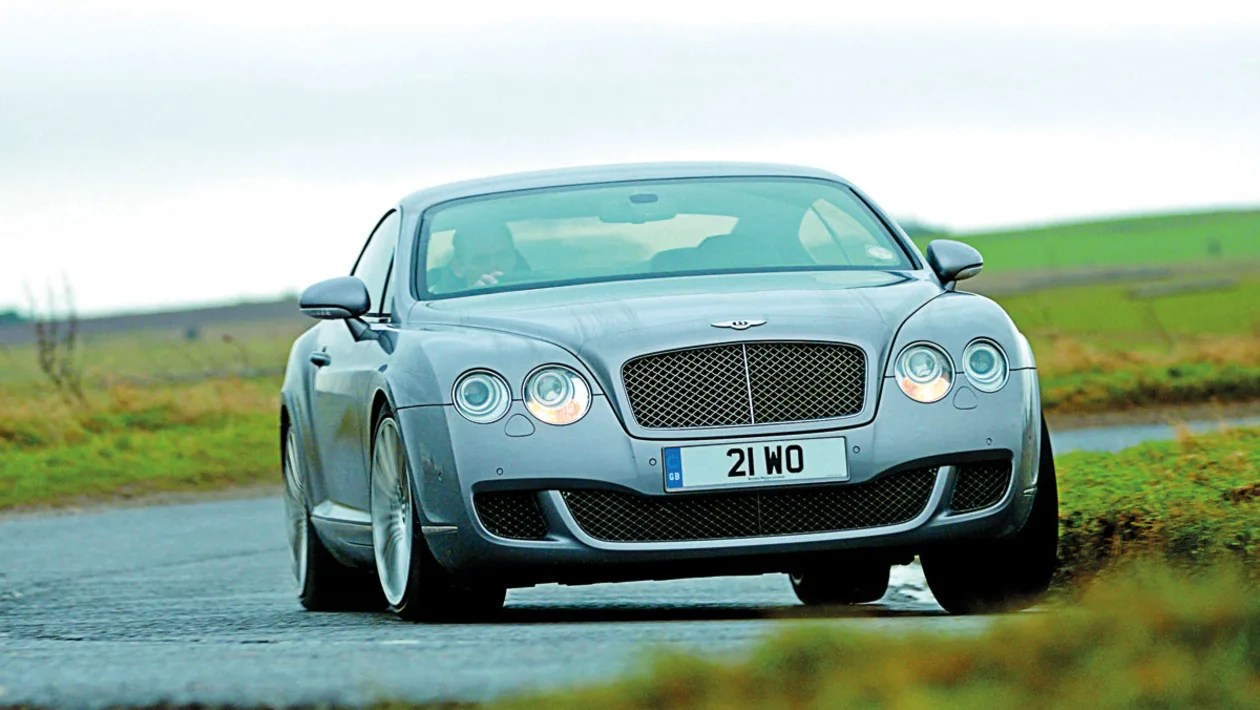
So, if your budget is, say, £20,000 and you earn £40,000 a year, you have a family, like long, frequent road trips, don’t want to be spending too much time at fuel stations and would benefit from heated seats, climate control and Apple Carplay/Android Auto then a 2005 Bentley Continental 6.0 GT for £18,995 with 58,200 miles on the clock is the very wrong choice.
But why, you ask? It’s within budget so why not splash out?
This very scenario was presented to me a few months ago when my dad, who had bought a new Skoda Superb Estate in 2021, was, for some reason, looking at his next car. Now, I consider my dad to fairly savvy when it comes to money but he’s not a car person. I am. And what I told him was that – yes, you can buy a hyper-luxurious car for the price of a Volkswagen Golf, but it keeps its associated running costs. Those stay the same.
So, according to Parkers, Vehicle Excise Duty (Road Tax was abolished 1937 in the UK. All funds go to the General Treasury and not used solely for the upkeep of roads. Just one reason why UK roads are poor compared to other countries.) is £360 and, according to Stratton Motor Company, a 10,000 mile service has a fixed cost of £599. In part, the fairly low price will be because it’ll use Volkswagen parts since Bentley is owned by Volkswagen. And so you’d think, yes, it’s more expensive but not as much as expected.
Tyres – Using an example with 19″ tyres, I found, on blackcircles, the cheapest tyre was £86.09. And you think, yeah, sounds great. Problem with cheap tyres is they won’t last. I bought my Jaguar XF S (3.0 litre V6 diesel) with economy tyres on it. Fuel economy was terrible (struggled to get 400 miles from a tank) and they had all the grip of a wet fish on ice. A set of Falken’s saw me get up to 500 miles but then I swapped the 20″ wheels for 18″ (with Pirelli P Zero tyres. Not great.) and I was getting between 500 and 600 miles on average. Between 600 and 700 miles on a longer run. A remap, and some good modifications along with a set of Bridgestone Eagle Touring (Developed with Jaguar) tyres sees me getting between 600 and 700 miles regularly. I expect to get between 700 and 800 from longer runs next time I go to Europe. And it does all that with a 64 litre fuel tank. The Bentley has a 90 litre tank and an expected range of 316 miles.
But back to tyres. The cheapest tyres are a great way to increase your running costs. On a vehicle like this, a full tank (taking average UK petrol prices at 148.12p per litre), it’ll cost you £133.31 to fill the tank from empty every 316 miles. If you fill up once a month, and most people fill up more regulalry, the fuel bill comes in at £1,600 a year. And that’s on the smallest wheels. You’re likely going to be over £2,000 for 22″ wheels.
Then there’s the consumables. Tyres were briefly covered. In reality, you should get the best tyres for the car. They improve handling, fuel economy and road noise. Sticking with blackcircles, the best rated tyre they offer for the Bentley is the Bridgestone Turanza T005. Rated A for wet handling and B for fuel economy whilst producing 72db road noise making them the third quietest tyre on offer from this site. Price? £221.10 a corner fully fitted. If you drive sensibly, you should ger 28,000 miles for your £884.40. I paid £160 a corner and should get 50-55,000 miles.
Then we have brakes. According to Flying Spares, a set of rear discs and pads will set you back £539.34 inc.VAT. Front discs and pads are £1,443.23 inc.VAT. These are OEM spec parts not third-party. From memory, I think I paid less than £400 front and rear including fitting for the Jag. On average, the brakes and pads could get between 20k and 60k miles depending on driving style.
Wheels – Damage the standard 19″ wheels and a refurb won’t cost too much. Crack them, however, and you need to replace them. Using Flying Spares again, the cheapest new OEM spec 19″ wheel is £592.22. Most expensive is £1,679.99. That’s the price for one wheel. Used, you can get a set from £600 but you’re best getting them checked by a reputable fitter before getting them put in the car.
The Cost of Keeping Up with the Jones’
Already, you can see how much such a vehicle can end up costing on a modest salary. And I haven’t even touched repairs but, believe me, you want a good stack of cash if anything goes wrong with the engine, turbos or gearbox. For the salary mentioned, this kind of car is a lot of stress. I know it seems like an extreme example but I put it in here because it happens. People do drive around in cars that may suit their lifestyle but, ultimately, don’t suit their budget. I have been to poorer parts of Glasgow where the terraced council houses are in serious need of some TLC but, somehow, there’s at least one brand new Mercedes AMG 55, Audi A8 or BMW X7 in a drive. These cars cost more than the house! Now, either they’re doing dodgy maths and buying a cheap house to afford an expensive car or, more likely, they’re getting themselves into serious debt to fund a lifestyle they can’t afford, or they’re involved in some illicit dealings.
Yes, driving an old but seriously cool Bentley is tempting for under £20k but you’d be better off with a diesel estate. If you insist on a bit of prestige, a Mercedes-Benz E-Class estate is an excellent workhorse. If the badge is of no consequence, anything from Ford, Volkswagen, Renault, etc will do.
The point here is that the sticker price is not the only price. Just because you can buy something aspirational for a modest sum doesn’t make it wise to do so. You must look at how much it’s going to cost over the long-term. The simple thing to do is break down the cost over 3, 5, 10 years, etc and see what you’re depriving yourself of. Could you afford a better place to live, better quality food, tuition towards a professional qulaification or maybe take your family away on some more meaningful holidays? Or does a fancy car mean that much you’re willing to sacrifice a better future for the sake of a badge?

Leasing is a popular form of accessing vehicles. I’m going to let you in on a little secret. The lease price is actually the depreciation cost. Every car loses value. Some more than others. I’ll give an example:
Volkswagen Golf. The Mark 8 starts from £25,765.00. You can lease a base model 1.5L TSI Life 5dr (Petrol with manual gearbox) from CarWow for £252 a month over a 2-year contract and an annual mileage limit of 8,000 miles. You do get your warranty, dealer service (basic) and Vehicle Excise Duty (£165 a year)included but that’s . Your cost over two years is £6,048. That same model, with 7,844 miles on the clock, can be found used for £20,750 for a 2021 model. PCP on it is £356 a month.
Taking the base price less the contract term price, we get £19,627. However, we must factor in £330 for VED which gives us £19,957. Basic dealer service is £195 (£390 for the contract term) giving us £20,347. The remaining £403 covers warranty, if used. Of course, given that lease companies deal in bulk and manaufacturers won’t charge themselves these prices for servicing and warranty, the only true fixed cost here is VED.
The point here is that leasing is the practice of literally handing money over to a company that owns the vehicle. Your monthly payment compensates the lease company for the depreciation and your deposit is payment for the privilege of using the vehicle. Do that over ten years and you’ll have spent £5,000 in deposits and, if you keep the same monthly payment value, £30,240. £35,240 spent to not own a vehicle. And that’s a cheap family car. Plus, you still have to pay for fuel, MOT, insurance and any repairs outside of warranty. Do you see the problem?
With some research, you can get a far better second-hand vehicle for less and actually save money. Plus, because it’s yours, you can sell it and recoup some of your costs back. I spent £15,000 on my 2012 Jaguar in 2017. It’s running costs aren’t much more than my previous car, a 2003 BMW 320D which had similiar costs to an equivalent Ford Mondeo, and it’s currently worth half that in stock trim. But beacuse it’s mine and I will be its last owner, I made some tasteful and worthwhile changes to not only improve its looks and performance but fuel economy too. Those changes will give it a second-hand value of £10-12k. In addition, I have a good relationship with an independent Jaguar garage who takes care of the bulk of the car’s needs. As far as actual repairs have gone, I’ve bought a used set of 18″ alloys to replace my 20″ because there was a crack in the rear left one. But, because the car was mine, I sold the wheels and made a profit because they came with the car and sold them for more than I bought the used wheels for which was £550 against selling my other wheels for £700.
Other than that, the oil sump failed causing oil to leak. Cost was £140. Not an issue with the car, but I had the winscreen replaced twice! Done through insurance, the cost to me was £100 a time. The parking brake fuse had corroded and needed replaced which cost me £200. A height sensor failed sticking the car in Sport mode. Another £200. And, most recently, the intercooler failed causing the car to go into ‘Restricted Performance’ mode. Cost of the replacement intercooler and fitting was £400. That went ‘bang’ too so another was fitted at no cost. So far, it’s working.
Currently, in over five and a half years of ownership, I’ve spent £1,140 in actual repairs for things that have actually gone wrong.
After four years of ownership, I felt the car had proved itself so, because I like to make things my own, I set about making the car a bit more personal. Not everyone wants to do that but not being stuck in a lease deal means I have the option and freedom to do just that.
And the best part of buying instead of leasing? Whether you buy the car with cash outright or through finance, once bought, you only have to pay for maintenance and repair. If you keep leasing, you keep paying full price. Sure, the selling point a lot of these companies make is that you don’t have to worry about the hassle of selling the car afterwards. Simply return it to the lease company who’ll sell it at no loss to them because you’ve paid the depreciation. They’ll continue to be in the money. You won’t.
Just to pad the Golf example out, let’s say you kept leasing a Golf from 17 (age you can get a licence in the UK) through to your death at, let’s say, 90. If you were able to pay £252 a month for 73 years, you’d have spent £220,752 on leasing an average family car. That’s a well specced Bentley Continental GT. Or an average family house. And, don’t forget, you have to pay insurance, fuel and non-warranty repairs. Alternatively, you spend, say, up to £20,000 on a good used car, run it for 20 years or so which is perfectly feasible if well maintained and not driven stupidly. By the time you’re 90 you’d be on your fifth car and would have spent, at most, £80,000 but extracted maximum use out of each vehicle. If you buy carefully, you might have ended up with a classic or two and been able to sell them for more than they were bought for. Again, the point here is you can get some money back. It might be a few hundred pounds a time or you might get lucky and turn a profit. But you shouldn’t buy a car looking to make money. It’s about utility, mobility and freedom. And enjoyment.
This has taken up a blog post all on its own so, I will make a second part to go over other areas.
 Thoughtful Meanderings