It’s been a year to the day since ‘Senjutsu’ was released and still, I find myself wondering whether to like it or not. A year ago today, I got up at 5am specifically to sit and take in the latest aural musings from Eddie & the Boys. I was full of excitement as I quickly got some coffee and breakfast together so I could just enjoy the music. I remember, upon hearing opener and title track ‘Senjutsu’, a sense of wonder and mystery as Nicko’s drums rang out as through from the Far East. He did a similiar trick on the opener for 2010’s ‘The Final Frontier’ but with bizarre, disjointed sci-drums rather than tribal drums of the Orient. Same trick. Different outcome. Regardless, ‘The Final Frontier’ turned out well so there was a precedent set.
And yet, over the course of its not inconsiderable 81 minutes runtime, I was left not knowing what to make of Maiden’s effort made during lockdown. Despite it being six years since ‘The Book of Souls’, it felt rushed and unfinished. I’ve spun it dozens of times since on streaming and vinyl but I just can’t get any real opinion on it.
So, on its first anniversary, I am going to write this blog whilst listening to the album for the unknownth time and see if I can come to some kind of thought on it as a whole.
Senjutsu – Tribal drums ring out solo as though at the back of a cave as water trickles down. Guitars march forth to accompany the sense of foreboding. Bruce’s vocals step in adding more weight, and gravitas. The main lick is both tragic and optimistic which runs in parallel with the lyrics. Some may call the pace a plod. I’d argue the song moves along with gradual intent much like the subject matter. There’s some nice stepped guitar work during Bruce’s plea at the bridge section.
Initially, the keys used throughout added an element of mystique but they became problematic later.
Stratego – The gallop. Not as quick as previous albums but Nicko’s well into his sixties yet, still, to be able to pull it out is a marvel in itself.
With that, the pace picks up from the opener. We get Bruce layered over Bruce for the chorus and more typical lyrics from this era of Maiden namely forsworn, battle-hardened and contemplating over the need for certain actions to take place. Dave Murray’s all-too-brief solo is lovely but the keys…the keys. I said they’d be problemtatic and still, they bug me. It’s as though they hired one person to press two keys on a keyboard that made the sound of musical kettles. The song finishes on a military drum flourish.
The Writing on the Wall – Starts out like Maiden’s first Americana song. Then the drums and lead guitars kick in with a solid beat and riff. No Johnny Cash-style song here. Just Maiden having a pop at the world’s ruling class. Far more their thing.
So far, this song has been the one that showcases Nicko’s variety, grace, weight and groove. He does so much here yet it all seems so effortless. Bruce’s voice is a showcase and the first solo is a nice appertif to the highlight of this song. Adrian’s marvellous solo. Despite being the more straight-edged of the three guitarists, the man can pull some beautiful guitar out his hat when he wants and, as a result, this song really belongs to him.
Lost In A Lost World – And now…for something completely different. It’s almost as though the first three tracks were more typical Maiden. Here, however, we start with Bruce uttering regrets and pain over acoustic guitar and melancholic chant.
Then the band kick in and raise the transcendental lyrics up. The instruments provide a strong platform to support the ever increasing weight of the lyrics and Bruce’s voice. For my first several listens, I felt the guitar following the lyrics was just lazy. Now, I hear it more as a way of reinforcing what Bruce is saying. And with that weight, the listener needs a break. Enter the instrumental section. It does let the band do their thing for a bit which does add some nice layers and let the listener focus in on each instrument. But, again, those damned keys. They add nothing here and only make themselves a nuisance when trying to listening to Dave Murray’s bluesy solo. And it’s still two keys used!
Still, the track itself is an interesting departure from what the band have done before. It could easily have been a solo track on a Bruce Dickinson album but to be on a Maiden album does highlight that the band want to keep pushing.
Days Of Future Past – And they continue moving on. Metronomic, automatonic guitars meet foreboding lyrics before guitars change pace less than one minute in and smack you. It’s not heavy. Just unexpected, like being slapped by a priest.
Two-thirds in, the band mellow and military drumrolls enter with those keys above them. There’s a nice movement of styles from Nicko in such a short time. A shade over four minutes.
The Time Machine – This opens like it was a draft version of ‘The Legacy’ from 2006’s ‘A Matter of Life and Death’. No bad thing. That was an excellent way to close an album. Here, mid-way through the album, it marks a shift in tone for what’s to come. And yet, the structure is similiar to the previous song. Quiet opening then band smacks you about. However, the breakdown is something to behold. It does sound like they are trying to start up a time machine of their own. Bruce is in full swing preaching profundly with great purpose in his delivery. The chorus adds an interesting country acoustic element over Bruce’s sci-fi vocals.
Another progressive breakdown that appears busy then out busts a scything solo to clear things up and the band is marching forth to another verse. Bruce very much captain of this track.
The song cranks down tragically and ends.
Darkest Hour – Seashore and seagulls? On a Maiden track? How bizarre! And yet, not so given the previous two offerings. Bruce begins with melancholic reflection asking yet more profound questions. The band offer some bright to the dark of the lyrics.
The chorus is reminscient of ‘Wasted Love’ but works better here as it’s stronger and triumphant. The solo invokes images of Churchill himself commanding squadrons of Spitfires to head over to enemy territory through clear skies before being embroiled in the murky depths of dogfights and rescue missions.
Murray’s ending flourish adds further brightness and optimism to let the song end as it began but more hopefully.
Death of the Celts – Here we go. The first of a trilogy of Harris-penned songs. Opens with Celtic licks and one key being held down for far too long.
We move to a gentle jig as Nicko starts to time himself in. Bruce’s vocals are clean and clear as though his voice is the landsacpe upon which he can describe what will take place upon it.
Then the clash of guitars and drums. War is starting. The music is as muddy as the battles they reflect. The chorus is sharp like the sword that can turn the tide of it.
The breakdown is where we get to business. Curiously, some Irish folk elements blink in and out. Generally, the ‘prog’ part of this song doesn’t really go anywhere and just dances around and around like a ceilidh in a small room until someone smashes down the wall to let the big guitar solo in. It sounds like Murray starts it then we move to Janick then to Adrian. Each move increases in tempo, heaviness and complexity yet are all very short.
We get a lull like the battle is losing energy where the men are waiting for their second wind granting the commanders time to plot the next move. But rather than continue the battle to the end, the band elect to end it right there and then. Somewhat anti-climactic unlike its predecessor, ‘The Clansman’.
It finishes with the same key being pressed too long. Would have been better as a straight and silent finish.
The Parchment – A sense of Biblical foreboding as guitars quietly menace themselves before breaking out with keys (why?!) and plodding drums. All three guitarists are doing the same riff until Bruce comes in and is accompanied by one guitarist following his delivery. It’s as though they couldn’t write a more interesting part for one of the guitarists and decide to have him follow Bruce rather than repeat the riff of the other two.
There is a slightly interesting riff that steps up and down but repeats far too much and the drums don’t help as they follow the guitar.
On the first solo, we do get a curious two-string (?) lick but, ultimately, it doesn’t do much. The second solo tries harder and has a greater scope spread between two guitarists. Unfortunately, it doesn’t do much for my ears. And this is six minutes into a twelve minute song. I’m already done.
Lyrics are going for epic and profund but are often vague. Bruce’s delivery props up words that would make little impact on their own except confound those who read them.
However, as a hymn, it may work and that’s all I could think of, and still do, when listening to this one. More keys over Bruce’s soaring exit into a key change with two-and-a-half minutes to go. And it’s not that big a change. It’s like the band went from walking to walking a little quicker. Another solo enters the fray and we do get a significant uptick in speed and intensity from the musicians. Why not just cut the song in half and have a slow, methodical beginning that moves into a rush to the finish? I wasn’t in the studio though I’d love to have been a fly on the wall.
Hell On Earth – The only one of the three closing tracks that warrants its runtime. Guitars strum and pick with a sense of dread and horrific anticipation then start to brighten up into, what I see as, a holy introduction to an aplocalypse. We hear Harris’ bass properly for the first time as a guitar sings defiantly against the undercurrent of the riff trying to bring it down. More keys. Why?
More vague lyrics delivered with great intent by Bruce. It’s not so much a coherent story, more notes taken down where Harris forgot to actually write some lyrics. One guitar, again, follows Bruce rather than do something else to back him up. The chorus, however, is a triumphant uprising and, if played live, would get a huge crowd response.
Solo enters the two guitarists get something to do as they’re given a clean break to interact.
We melloe once more and await another build-up, this time given by Bruce who seems to be quietly praying before switching into a soaring bark. It’s a subtle but sudden keychange that’s so smooth you won’t even get whiplash.
Another solo but it’s really just a bridge to let the chorus repeat.
First guitar outro effectively non-verbally sings through the same melody as Bruce delivered the verses. The real outro is the same as the intro so we have a bookend. And that’s it. Quiet, bit of apocalypse, quiet, The end.
And still, I can’t make heads nor tails of it. It seems like, during lockdown, the band had to come up with stuff whilst located in different parts of the world, write it, record it then send it in for mixing. Fans, like myself, would have been quite happy to have waited another year or two. In fact, I don’t think anyone was really crying out for a new Maiden record because we got so little of ‘The Book of Souls’ played live that legions would have queued up if the band announced they were including ‘Empire of the Clouds’ in the setlist.
What this playthrough of ‘Senjutsu’ has done is reiterate to me that I don’t think this album was needed. If ‘The Book of Souls’ ended up being their final album, it would have been a great sendoff and a terrific end to a magnificent run of original albums created in the 21st century by a group of men who, at the time, were in their late fifties to early sixties. Here, they’re a group of men almost all eligible for a bus pass and I think they have tried too hard where, frankly, they didn’t need to. It seems to me that lockdown presented an opportunity for them to make something, stick it out and see what happened like some bonus content that just came spur of the moment.
Where lockdown really worked for some acts (Agnes Obel, Cradle of Filth and Rammstein among my favourites), I don’t think it’s really worked for Maiden.
I was in Paris back in June to see the band play at the La Défense Arena. It was for the continuation of the current leg of the ‘Legacy of the Beast’ tour and they included the first three tracks of ‘Senjutsu’ which sound really good live, especially Adrian’s masterful solo from ‘The Writing On The Wall’. However, as they careered through the setlist, I didn’t find myself wondering why they left songs from the rest of the album out. I didn’t stand there hoping they’d play ‘Hell On Earth’ or ‘The Time Machine’ unlike previous tours where I did want them to play a specific song or five off the latest record. Here, the first three tracks did it for me. The crowd didn’t seem that fussed by the openers either. No one seemed to know the words. Maybe that was just the French being French and refusing to fully give into anything English.
I think my original thoughts for this record still stand. It seems like they have tried to revisit stuff from the 90’s, focusing on ‘The X Factor’ and ‘Virtual XI’ and the 00’s, specifically ‘A Matter of Life and Death’ and try to merge them with current ideas. For me, the fact I’m still undecided about probably says more than if I had a set opinion. It’s Maiden trying to outdo themselves again and, this time, I don’t think they managed to pull it off. Fair play to them for continuing to push but, on this occasion, I think where Steve Harris said, with a few albums under his belt, that he’d like to do fifteen albums then one or two for luck, it looks like he’s just about run out of it on this one.
The problem now is, whilst ‘Senjutsu’ is not the worst Maiden album, it falls short of its predecessor. If Maiden were to end now, the final album wouldn’t be the flourish that ‘The Book of Souls’ would have provided. To actually end their career in the way they deserve, the next album will need to be something truly remarkable, but with album cycles taking longer due to longer touring cycles, the guys will be in their late sixties and seventies at that rate. Would it be possible for them to trump something they put out in 2015? I think an indicator to the answer will come when Bruce Dickinson’s long-awaited seventh solo album appears later this year. If that serves as a worthy successor to 2005’s ‘Tyranny of Souls’, fans may feel confident about the next Maiden record.
As it stands, ‘Senjutsu’ was neither terrible nor remarkable which isn’t what I expect to say about my favourite band’s latest album. Like the artwork, it’s better thought of as sitting outside the pantheon.
The Line. A hundred miles of mirrored glass that stands five-hundred metres tall and two-hundred metres wide. It sits in the desert. The only civilisation nearby is the Red Sea and mountains. There are no cars. You exist. You work. You die. There is no way out.
Except, of course, the developers of this project would have us believe that such a development is liberating. If you’ve looked at the site from the link provided, some of you may see what I see if you know your Judge Dredd.
Megacity One.
I don’t care how this is presented. All I see is a prison to lock up human beings and give them an illusion of a better life so they don’t have to accept the fact they’re stuck inside a huge wall with nothing around them but sand, sea and rock. Yes, there are trees proposed inside this thing. But will anyone be allowed outside to access a forest?
The blurb says 40% of the world is available by air within six hours. How do inhabitants get to the airport?
Trains will take people end-to-end in 20 minutes. What happens when they break down? They’re in a wall. Are there service lines like with underground railways? The site from developers NEOM does little to address any real-world questions on just how liveable this dys/utopia will be. How about maintaining social order? Where do police go? Will they even have police? What kind of jobs will people have? Would you be allowed to leave?
People will have all their needs met within a five-minute walk. Great way to use convenience to segregate people and create divisions whilst having already isolated them.
An idea of the future for so-called ‘Neomians’ is granted by NEOM itself. I’m quite sure many people would be concerned about living in a country known for its human rights violations. According to The Guardian –
“while the area would be a special economic zone, it would still be part of the kingdom and “subject to all rules … related to security, defense and border protection.”
Subject to Saudi Law then. Muslim Law. I give a small snippet from the Foreign Travel advice section of the UK Government website:
“Penalties for the possession of, or trade in alcohol are severe. Both result in prison sentences. Do not arrive in Saudi Arabia under the influence of alcohol.
If you bring medication with you, carry a doctor’s prescription.
Importing pork products is forbidden.
The possession of pornographic material, or of illustrations of scantily dressed people, especially women, is prohibited.
Electronic devices may be screened by customs officials on arrival and departure.
The punishment for smuggling drugs includes the death penalty.
Photographing government buildings, military installations, and palaces is not allowed. You should avoid photographing local people. Binoculars should not be brought into Saudi Arabia and may be confiscated at the port of entry.
It’s illegal to hold 2 passports in Saudi Arabia. Second passports will be confiscated by the immigration authorities if they’re discovered.
You should carry a photocopy of your passport for identification. Make sure you have included emergency contact details.”
Some of those rules are alright even a venture into healthy territory. Others? Extreme. And people will be inside a wall subjected to such rules.
Back to social order. Let’s say there’s a disagreement that gets heated. In an ordinary city, there’s a decent chance of it getting seen. How about in a city that’s as tall as a skyscraper? How easy would it be for murder and mayhem to take place? Did I mention there’s a river at the bottom? Sorry. Waterways. Still, from 500 metres up, you can throw someone over and they’ll just make a little plop. If the waterways connect to natural groundwater caverns underground, you can resolve your issues just by pushing someone off of one of the many barrier-less bridges.
And the talk of being environmentally-friendly and preparing the country for ‘climate change’? Please. They’re building a 100-mile, 200 metre wide, 500 metre tall border that cuts right across the country. A solid, insurmountable border for land animals that seek to move North-South or vice versa. And birds? They’ll have to negotiate a huge reflective obstacle to which they will unlikely be able to discern the glass from the sky and fly straight into it. If they do avoid an unintended death, they may end trapped inside the walls and not know how to get back out. So, there could be thousands of birds stuck inside, desperate to get out and end up highly stressed because, in a big artificial landscape, those birds won’t have access to the food they need. Then what? You have exotic birds that, if they remain trapped, resorting to scavenger behaviour like pigeons, seagulls and crows in Europe do? How is that good for the ecosystem?
And what about insects? If people are allowed to travel outside then they may bring back foreign bugs which, in a traditional city, would either end up trod on or able to venture around and lead some kind of life. But stuck in a wall? Mosquitoes, spiders, wasps, flies, etc. With a proposed capacity of 9million people, the opportunity for disease, destruction and death is increased. Mass isolation with no real nature to go to. Just the artificially recreated version. The trees might be real but the landscape they’ll be planted in is such an abstraction, people will go mad.
On trees, there are no details on how The Line will cope with plants natural desire to spread out, sprout up and try and gain for nourishing sunlight for themselves. What’s the strategy for dealing with undesirable plants like Japanese Knotweed which will happily tear up the expensive flooring being put down. Or worse. The foundations.
And what happens when businesses go bust? Or someone wants to move property? How does that work? Or they need to do structural work. How does the machinery get in and move around? Is there an innovative solution for that other than helicopter the stuff in from the top?
Yes, it’s easy to sit here and ponder all this but the developers don’t have anything made available to the public that details how they will allow a population almost that of London to exist within, what is, an elaborate prison.
How is it powered? By renewables, of course! Because they’re so efficient just now at generating and storing all the energy required to power a leviathan of a city. Shame they didn’t think of swapping the glass panels out for solar ones. Might save a whole heap of birds from dying.
And what about those outside of The Line? If land animals are going to be stuck then what about the people at opposite ends of the country? How are they going to get around?
The whole thing spells disaster. Ecological disaster. Physical disaster. Mental, emotional, psychological, political, environmental. You name it, there’s a disaster waiting to happen in The Line.
This is what happens when Man starts to think he’s God. He thinks he can control Nature. Anyone who thinks they can enact their will against Nature and Planet Earth is a fool. It’s far bigger, older and more established. And there’s the small matter that Nature governs us. It’s what allows us to exist. Without, this planet would spin without a damned living thing on it. It would just be a spinning ball of rock, metal and gas.
So, The Line is a fools errand, in my view. One that will be deemed a success to the media, but, in reality, will most likely spell catastrophe for those that choose or are made to live there.
After all, when you’re stuck in between millions of tons of metal, concrete and glass, who’s going to hear the cries for help?
It’s not that I hate vegans. I don’t. It’s not that I can’t tolerate them. I can. The issue I’m seeing is the perceived ignorance of those that switch to being vegan because it’s ‘ethical’ or ‘healthier’. More ethical or healthier than what? Eating other living beings?
And then what happens when killing plants is too much? Do we start harvesting bacteria? Do we just not eat and make ourselves extinct through starvation?
I think there’s a conflation of a number of things here. There’s the cultural angle for a start. Whilst fruits, vegetables and grains have been eaten for hundreds of thousands of years, we have no evidence to suggest that any one culture has developed solely on these foods. Meat has been involved to some extent. Why? It’s energy rich. It contains a densley packed mass of nutrients that have built up over the life of an animal. It’s done the hard work of eating other plants and we get the benefit passed on when we eat its meat. This effect is even more greatly experienced when the meat is cooked. Many scientists believe this was what caused a surge in our brain development to evolve to become the species we are today.
So, if that’s the case, then why do some people think that removing meat altogether is somehow better?
I come back to the ‘ethical’ and ‘healthier’ points from that start. I’ll start with the last first. I think the first conflation is that many people nowadays don’t know where their food comes from. With more people being born and bred in cities, the chances of them seeing a farm let alone an abbatoir is diminishing. If all a person’s idea of meat is fast food and then they read/hear how unhealthy it is then it’s no surprise that an individual would correlate meat with being unhealthy. Amplify that if their parents rarely actually cooked meat and relied heavily on ready-meals and takeaways.
And when those children raised on crap (yes, they are) go to university and get all curious about what’s actually in a fast food burger (pink goo) or doner meat (fatty cuts of, typically, lamb but also beef, chicken, turkey and veal) then it’s only going to compound the idea that meat is bad. They are shown chickens in cages laying eggs whilst surrounded in their own faeces. From that, eggs are bad.
They are not shown the love and respect a good farmer has for his animals. They are shown industrialised methods which spawned from other factors I’ll get into later.
So, when all a child is shown is the poor treatment of an animal before it’s unceremoniously killed to have its meat on a plastic tray, wrapped in plastic and displayed on a supermarket refrigerated shelf, that child is, quite likely, not going to want to eat meat. They’ve been scared out of it. Should we be using fear to educate children rather than information? Schools still do day trips. Why not take them to a farm? After all, who better to ask where food comes from than the person that grows it? The farmer.
A blog post by the British Educational Research Association (BERA, 4 Aug 2017) points to an interesting issue. The authors state that ‘Some teachers observed that food and farming topics could be undertaken wholly in class, without pupils ever visiting a farm.’ and ‘Teachers who aren’t familiar with the farm environment may not feel comfortable taking pupils there.’
If that is representative then the teachers are a barrier between the children and having them obtain knowledge on where their food comes from. In which case, if the teachers prefer to go over the topic in the classroom, those children will likely never set foot on a farm in the capacity where they can openly ask questions to a real-life farmer on how their food is made. It also highlights an issue with some teachers who priortise their preferences over the education of the children they’re in charge of thus they indirectly force their persepctive on to the class.
Another interesting point was raised in Episode 8 of the podcast, Psycho Schizo Espresso, where hosts Bruce Dickinson (he of Iron Maiden fame) and Dr Kevin Dutton spoke to the world’s only British matador, Alexander Fiske-Harrison. The question of meat production arose and Bruce made an interesting suggestion. For a person to opt-in to buying meat, they must obtain a meat licence. And to obtain it, they must be involved in the slaughter of a cow. He used cow though, in the example, any animal would suffice. Now, something like that wouldn’t be so bad because it would then mean that those who can buy meat know exactly what’s involved and I think that would create a greater sense of empathy towards the animal and gratitude at its sacrifice and towards the farmers/abbatoir workers who do this daily. It may also mean that less meat is wasted due to the old ‘see-food’ diet. He also suggested that all butchers should have windows showing the meat hung so people see exactly how the food got there.
Now that I’ve mentioned butchers, this allows me to segue into the thing that prompted this post.
The vegan butcher.
What I find bizarre and, indeed, hypocritical about this new addition to our societal landscape, is why bother?
If you’re vegan, it means you’ve opted out of eating meat and being involved with any products derived from animals. So, why create a shop that simulates the atmosphere and purpose of one that sells the flesh of dead animals? What’s the point of taking plant material and transforming into something that looks, smells and tastes in the vein of the very thing you’ve chosen not to eat? It’s a bit self-serving, no? You want all the things about the meat just not the meat? All the benefits just none of the shame and guilt that goes with it?
As for the ‘healthier’ and ‘ethical’ argument, I’m not so sure. Below is the nutrition information and ingredients list of Beyond Meat’s plant-based burgers (2x patties @ 226g), on sale here at Sainsbury’s in the UK.
For comparison, here’s the same information for Sainsbury’s Taste The Difference beef burgers (2 x patties @ 340g):
You’ll note the additional nutritional information on the meat burgers and less numerous ingredients list (7 to the plant burger’s 18), however, the caveat at the price point is the beef used is the cheaper off-cuts though Sainsbury’s insist the product is made with ‘Prime Cuts’. Yet, it still accounts for 95% of the product whilst the Beyond Meat burger has no reference as to how it’s been composed and by what percentages. You’ll also note that the health information regarding nutrient intake hasn’t been applied to the Beyond Meat burger.
So, what are we to take from this example? Well, if you don’t look at the ingredients, the average consumer might well think the plant burger is healthier. I mean, look at the lack of coloured stripes. It’s got to be healthier, right?
I would disagree. The number of ingredients required to make a simple burger suggest that Beyond Meat is a highly processed product. I would wager the same for the supermarket butcher, whereas a real butcher is where you are more likely to find leaner, healthier cuts of meat as a good butcher will work closely with farmers to ensure they can sell the best produce. What does a vegan butcher do? How do they take plant matter and make it look, smell and taste like meat?
After a fair bit of digging, I came across the Meatless Farm that seems to do a pretty decent job at explaining things in a fairly non-scientific way. For the appearance, a mix of beetroot, radish and tomato is used. Texture is provided by combining the oils of coconut, canola and shea to provide a fat source to bind the proteins together which come from pea concentrate and isolate. This gives the ‘meat’ the firmness required to simulate the muscle fibres of an animal.
But what about taste? Two things are noted. Yeast extract for the umami flavours and…natural flavouring. This is where Meatless Farm get all vague:
“Well, without getting into too much of the boring details, scientists are now able to break down any flavor into its specific chemical components and then recreate it from scratch. In other words, they can make the meat flavor without any of the real meat”
No. If you’re saying natural flavouring is used for a meatless burger that’s designed to taste like meat, you can’t back off when explaining how the product tastes like the thing it’s not. That would be dishonest, maybe even deceitful.
So, a bit more digging on this umbrella term ‘natural flavourings’ and I came across the U.S. Code of Federal Regulations (Title 21, Section 101, part 22) which states:
“The term natural flavor or natural flavoring means the essential oil, oleoresin, essence or extractive, protein hydrolysate, distillate, or any product of roasting, heating or enzymolysis, which contains the flavoring constituents derived from a spice, fruit or fruit juice, vegetable or vegetable juice, edible yeast, herb, bark, bud, root, leaf or similar plant material, meat, seafood, poultry, eggs, dairy products, or fermentation products thereof, whose significant function in food is flavoring rather than nutritional”
So, I would say, for clarity, companies claiming to be producing completely vegan products should state that the natural flavourings are from plants. Unless they’re not, in which case they’re lying through their corporate teeth. Which could be for cynical reasons (they’re using animal flavourings) or for perfectly legitimate business ones, like not wanting competitors to know the secrets of their recipe.
But still, there is an element of deception involved when companies don’t state where those flavourings come from. In the alcoholic beverages industry (of which there’s a parallel), there are plenty of alcohol-free variants of popular drinks. But there are also low alcohol variants where the drink has an ABV of 0.5% or 1%. Here in the UK, there are three varieties available to those not wanting a fully alcoholic drink: Alcohol free, de-alcoholised and low alcohol. Respectively, the ABV for each is 0.05% or less, no more than 0.5% and no more than 1.2%.
If the drinks industry can be clear about how little alcohol is in their product, then why can’t the vegan meat producers when it comes to how the product is flavoured?
Culture and marketing are two very common bedfellows. The practice of influencing societal behaviour and trends with slogans, advertising and endorsements is well established at this point. Veganism is not immune. If producers can comfortably lie about the full content of their product then why should existing and aspiring vegans bother picking such things up? After all, the fertiliser used to grow the plants could be manure and not compost. Why should someone who chooses to be vegan have to question whether the thing they’re buying aligns with their lifestyle?
In which case, vegans should then campaign for greater transparency as meat-eaters here in the UK have done for decades and continue to do so, the latest of which being the campaign to not allow US meat into the UK if a trade deal was struck as US quality standards are much lower. Who wants chlorinated chicken on their plate?
So, if vegans really want to be vegan for the reasons they say, they need to stand up and demand their products are up to the high standards they require before they even open their wallets.
However, for that to happen, vegans, and those wishing to adopt the lifestyle, need to know exactly what is and isn’t in their food. Which means, as a whole, they need to act with integrity. And that means, are they being vegan to be fashionable, trendy and ‘progressive’ or do they really care about the way animals are treated? If it’s the former, they won’t care about what’s actually in the vegan product just as long as it makes them look as required. If it’s the latter, then some real speaking up needs done.
Ultimately, it is the lack of due care and willingness to act that plays right into the hands of the companies that will continue to profit by selling food that isn’t entirely vegan.
Which raises another point. That lack of attention hurts vegans when they go out to restaurants and takeaways. They think they’re getting the healthier option, but are they really or are they just getting the non-meat version of the same highly processed food their meat-eating counterparts have been getting for decades?
Let’s go to McDonald’s. The McPlant and the Quarter Pounder with Cheese look to be comparable items on the menu.
First – The vegan option.
Next, the meat option.
Now, you may think that the McPlant is better as it has less calories. But let’s look at the composition. Both have:
1x patty
1x sesame bun
Onions
Pickles
Mustard
The McPlant adds sandwich sauce whilst the quarter pounder has two cheese slices to the McPlant’s one. If we take the sandwich sauce from the McPlant and the extra cheese slice from the quarter pounder we get:
390 calories for the McPlant.
47 calories a slice makes the Quarter Pounder 460 calories.
So, if completely assembled equally, there’s 70 calories between the vegan McPlant and it’s meat counterpart, the quarter pounder. That’s almost two chicken McNuggets. And what about the price?
The McPlant on its own is £3.89 whilst the quarter pounder is £3.49.
So, 70 calories less but £0.40 more? Why might that be? Well, the argument could be that vegan ingredients are more specialist therefore less available and therefore more expensive. But this is McDonald’s. They have the purchasing power and influence to get what they want at the price they want because they want to sell whatever keeps making them money. And how many of you really think a company like McDonald’s has its customers health at heart? I doubt there’s much in the way of ethics either.
On that point, I came across this article from ‘i’ which disclosed the ingredients of the McPlant’s patty and cheese. Here they are, but feel free to read the full article:
Look alright to you? Or does it read it like a chemist’s checklist?
The thing that bugs me is, why not just take beans, tofu, mushroom, soy or whatever and mash it up into a burger-like shape? Processing vegetables and fungi must be cheaper than all this chemistry? But it is less addictive, isn’t it? The vegan products are just being given the same treatment as the meat ones i.e. poor, cheap and unfit for human consumption.
Why am I picking on McDonald’s? Well, they’re the largest fast food chain in the world and, arguably, the symbol of globalisation. If they’re not spearheading the mass adoption of a non-meat lifestyle and not actually providing food products that are genuinely vegan then who will?
So, what are real vegans (those genuinely concerned with animal welfare) to do? A simple answer, they can make the food the themselves. That way, they know where it’s come from and how it was compiled. They would have complete control over the production. However, not everyone is willing to put the time, money and effort into either learning to cook or learning how to cook vegan food. Like all skills, heavy investment is needed upfront to enjoy the benefits later on. But it doesn’t answer the question on where a vegan can go when they want to enjoy thier diet outside of the home.
There are two places in the world where non-meat food has been a staple part of their diet for centuries, if not thousands of years. India and South America. No, I’m not suggesting that vegans move to either just to enjoy their lifestyle, but they could go to their restaurants wherever they live, fairly safe in the knowledge that what they’re getting will be truly vegan as it’s part of the culture in that part of the world ergo, they will make it authentically.
But other than that, what’s a vegan to do? Well, they may need to get inquistive and ask the restaurant where they source their ingredients before making an order. A quiet word somewhere or a phone call or email ahead of a visit would allow an informed decision on whether they’d want to go or not. This could have the benefit of either raising awareness of a particularly good restaurant, in which case more vegans will visit. Or, it will highlight a restaurant that doesn’t take their vegan options seriously hence word could spread and that restaurant finds itself with little to no vegans coming in. If that happens, they may be forced to improve their offerings in order to get vegans in the door. Revenue is revenue, after all.
And I want to come back to my earlier point on why bother with making vegan food an emulation of meat. What’s the cost in research and development to find the right chemical mixture that would allow vegetables to take on meat-like qualities?
Let’s go back to Beyond Meat. Oh, did I mention they provide McDonald’s with their vegan patties? Well, they do. Anyway, for the 2020 fiscal year, Beyond Meat spent $31.5million which was 7.74% of revenue of $406,785,000. No figures released for 2021 yet but projections indicated that they would spend more on R&D based on average growth of 26% annually. Sounds good. But when we compare that to the $1.4trillion global meat market, it doesn’t look like the cultural shift the press would have us believe.
But, taking the vegan meat market as a whole at $7.9billion (2022) and it’s still a paltry 0.56% of the total meat market across the world. But let’s consider that a lot of the alternative meat companies have been on the go for less than 40 years (the oldest being Quorn at 37 years). In the same timeframe, China became the world’s factory and second biggest economy after having suffered economic and cultural destitution under Chairman Mao. For all the big talk about going to make the current food system ‘obsolete’, the alternative meat companies are taking their sweet time over it.
I realised I digressed (good job I have ‘meander’ in my name), so I’ll come back. What’s the purpose of spending all that money to make non-meat items become a meat approximation? Why not just make vegetables tasty like the Indians and South Americans mentioned earlier?
Apparently, according to numerous studies, of which here’s a site filled with statistics, “55% of those surveyed became vegetarian or vegan because of animal-welfare concerns, 45% because of health, and 38% because of environmental concerns.” That’s for the UK.
Now, I’d be inclined to extrapolate that that would be similar reasons and percentages worldwide. In which case, none of the reasons have anything to do with not liking meat. It’s a) they don’t like how the animals are treated, b) they think it’s healthier, and c) they believe it’s better for the environment.
The first point, I can understand to an extent, however, humans didn’t get this far in their evolution without being fierce, ruthless and cunning enough to stave off serious competition. That meant working with each other and other animals (the wolf being the first we domesticated for mutual benefit) to get rid of predators. What happens when you get rid of the bulk of the threats to your species? You become top of the food chain. And to stay there, you have to enact some form of order. We have collectively taken out the natural predators for a number of animals and we have had to take their place. If we don’t, prey animals would increase in number and start causing problems. We’d have another form of competition to deal with by not keeping numbers under control.
That’s not to say I agree with industrialised farming. I don’t. However, it’s a reflection of the demand. How many farmers want to squeeze their livestock into little prisons as opposed to letting them roam free and live a life before being given a compassionate, kind end that results in their death sustaining more life? The current farming is indicative of people who want their meat cheap. They don’t care how it got there. They just want it. Again, I revert to my previous point at the start about city-dwellers. And how much is wasted? How much is allowed to go to waste because it’s cheap and not treated with the respect it deserves just like the animals whose life was forcibly taken to satisfy the whims of an ungrateful majority? in the EU, it’s 88million tons of food.
So, yes, I sympathise the need to want to ensure animals are treated better. But then, why eat fake stuff? If you’re against the poor treatment of animals why continue to engage in the act of eating meat but in an artificial manner? That’s more like having your cake and eating it, no? All the pleasure of meat but none of the guilt or shame over how it got there.
On the second point – Plants are raw sources of nutrients. A lot of what’s in there needs a supplement of some kind to help extract as much of the nutrient as possible to allow it be digested and absorbed. Things like iron, calcium, vitamin B12, omega-3 fatty acids, iodine, vitamin D3, zinc and creatine are all lacking in a vegan diet but are crucial for our bodies to function. For example, dark green leafy vegetables are raw sources of iron but our body can’t fully digest them to extract the iron. Vitamin C is required so potatoes, citrus fruits, strawberries, peppers or blackcurrants would need to be eaten with them. Broccoli contains both so that’s a winner if you really like it.
But given most people know so little about nutrition as it is, a vegan diet could render a person weak, fatigued and unable to function due to severe malnutrition. For example, a friend of mine recently revealed they lived with a vegan and, because they didn’t like vegetables, all they ate was tinned spaghetti hoops. It got to a point where the person’s gastric issues were so severe they had to have part of their gut removed. I don’t know if this person went back to their diet afterwards but, regardless, it’s a harrowing sign of what could happen if we were put on such a diet.
This article points to what vegans should do to gain the nutrients lacking in their diet. Largely, they are to eat foods fortified with the nutrients which means being reliant on corporations to feed them what they need. I know Mr. Kellogg was a vegan but not everything the company makes is strictly healthy. Coco Pops and spinach anyone? And since many vegans tend to be against capitalism, it’s further fuel to hypocrisy fire that they would need to resort to fortified cereals or supplements produced by large pharmaceutical companies just to function. How do they justify their choice then?
For the third point – I completely agree that going vegan is more environmentally friendly. It’s 0.56% of the meat market. If it were the other way round, then being a meat-eater would be more environmentally friendly.
And if we all went vegan then we’d have a major concern. We’d start farming plants at higher rates. Would that mean the very things that are vital to our existence would be under threat because we’d start heavily draining the soil of nutrients?
This article from University College London suggests that, given the bulk of farming land is suitable for livestock, it may not be possible to turn it into suitable land for arable farming. And if it were, it could take decades. And what happens to all the animals that are born? The article doesn’t answer this but if we’re not farming then surely they end up needlessly dying? I don’t foresee governments allowing millions of animals to die pointessly when taxable profit can be generated.
And what happens to the people? If there’s no meat to be had and if a large enough portion of the farmland isn’t suitable for growing crops then what? We eat a bunch of processed vegan food until the farmland is ready? I don’t think so.
No, if everyone went vegan, we’d start starving the soil of the very nutrients it needs to give to the plants we’ll be over-harvesting to feed ourselves. And what about the herbivore animals? Their food supply will start to became scarce. Grass will be removed to make way for crops so cows, sheep, pigs and horses (typical far animals) will be denied their natural food source and won’t be allowed the crops. So why have the animals if we’re all vegan? We’ll just kill them off.
So, if we don’t need the herbivore animals for food and take away large portions of their food source so we can all eat, then we kill the herbivore animals because they take up too much space and contribute to ‘climate change’ but end up stripping the soil for all its worth, how is that good for the environment?
As with many things, moderation is key. We are ominivores. We are not built for a herbivore or carnivore diet. The Atkins Diet didn’t prove a carnivore diet worked and neither will a vegan diet work. It only gives part of what we need. We need both plant and animal. Too much of either will cause problems.
As for the vegan butcher? Sorry. If I want something that looks, smells and tastes like a steak, I’ll have a beef, turkey or venison one, thank you. I think it’s deeply disrespectful to the animals and shows a complete lack of awareness. It is cult narcissism that feeds on the sadistic pleasure of knowing they are getting away with eating their favourite foods without punishment so they can lord over others and show how enlightened they are. It’s disgusting and, in my view, is something only city-people seem to do.
“The vast majority of vegans live in urban or suburban areas (88%) compared with rural areas (12%) and this is reflected in London, where 22% of all vegans in Britain live – more than any other region. Almost twice as many vegans are female (63%) than male (37%).”
What did I say earlier? Something about people who never see a farm and not knowing where their food comes from are more likely to go vegan?
If you don’t see reality for yourself, you’ll believe whatever anyone tells you.
At the start of June, I was in Berlin seeing Rammstein at the Olympic Stadium. It was my sixth time seeing one of my six favourite bands and this was the best I’d seen them. Comfortably, 70,000 plus fans sang every word to every song, including those from new album, Zeit, released only six weeks ago. The fact that so many people had learned a whole new album stands as testament to the band’s ability to construct remarkably memorable songs despite being largely in German. It’s the sheer visceral nature of their music, I think, that hits all those who listen. From Richard Z. Kruspe’s badass razor sharp guitar to Christoph Schneider’s thunderous yet nuanced drumming to Flake’s mad professor keyboards. And, of course, Till Lindemann’s towering presence and volcanic baritone.
In short, Rammstein are elemental much like their own name which literally means ‘ramming stone’ as well being a controversial play on the Ramstein air show disaster from 1988. It’s what they do best. Present as one, can be another, but work equally as both.
And as much as they sound elemental, of course, they use the most destructive one as their main live prop. On this stadium tour, each city visited could easily have been mistaken for having been the epicentre of some terrible disaster. Except, it wasn’t. It was just six mad Germans masterfully mucking around with heaps of fire.
But, I’m not here to discuss their live music. I’m here to discuss the countless hours spent at home and in studios where they honed their sound so they could become the live leviathan they are today.
I won’t be doing a normal ranking. They’re simply lazy, boring and far too easy to do. Instead, I’ll be entitling each one as a reflection on what I believe that album meant in the band’s history.
Here I go.
That’ll be the full German oil massage then, ja?
Herzeleid – 1995. The Intent.
Few bands can claim to have released a first album that sounds like them straight away. That has its own distinct sound and character. Rammstein managed it. Whilst they have influences from the likes of Depeche Mode, KISS, Alice Cooper and Laibach, you can tell they listened to it, took the bits they liked and fused it with whatever they were doing at the time as an enhancment. A bit like cooking a great steak but realising finishing it with a bit of Maldon salt will just add a bit more oomph. They didn’t need to be a new Nine Inch Nails or Marilyn Manson. They already existed. What didn’t exist was a German industrial band that played in ominous tones and sang only in German. That was new and it was exciting.
From the first echo to the initial techno beat followed by the military drums and then, finally, that simple but immensely heavy riff, Wollt Ihr Das Betten Flamen Sehen asked its listeners a peculiar but disturbing question. Do you want to see the bed in flames? Evidently, the answer was a resounding ‘yes’.
The album finished as it started. Dark electronic echos and simple but crushing guitars. Album closer, ‘Rammstein’ is a steady monolith chasing the listener down ever so slowly until they trip, fall and can’t get back up. It doesn’t change rhythm or pitch. It just keeps going. It’s the Terminator made music.
In between, delicious anthems filled the album but amidst those unsettling choruses lay one, sad, lonely, reflective ballad. ‘Seemann’. A song about despair and the wranglings with love, it sits around the middle of the album. A quiet eye in the encircling inferno.
And thus, the Rammstein formula was established. Hate and fury everywhere but a dash of tenderness to break it up and remind you these Teutonic anarchists are human. And yet, it sounds a bit flat. Two-dimensional. Sure, the band have their sound but it was missing something.
Sehnsucht – 1998. The Promise.
Album two sped things up a bit. The title track, and album opener, hits the ground running at a frantic pace. Till and Flake dash through their vocals and keys like they’d recorded the song on high-powered crack. Either that, or the producer hit fast forward.
Like Herzeleid, just about every song is missing a killer ingredient that would bring them into the third dimension. Whilst ‘Engel’ has been a staple for many years live, its album version lacks the emotional heft the band gave it many years after recording.
In reality, where Herzeleid introduced the world to Rammstein’s brand of noise with no one song standing out, Sehnsucht was all about its hit single, ‘Du Hast’. The song elevated the band to club level where it began to see chart success. But one hit from twenty-two songs isn’t a great ratio unless you’re in pop. ‘Du Hast’ showed that Rammstein were capable of something beyond angry sounding techno metal. But they still needed something.
Mutter – 2001. The Realisation.
Orchestras and Metal have a fairly long history namely because both suit each other so well. They prefer grand, powerful, epic sounds and surreal theatrics that can terrify and excite in equal measure.
And so, the band opted to use a bit of orchestra for their third outing. Not that it compensates for the band. Oh, no. For this album, an orchestra is merely seasoning on a very well executed and delicious meal.
Many bands that get to make a third album go one of four ways: 1 – They fail to come up with anything substantial worth putting out to their audience and consign themselves to oblivion; 2 – They actually create a sound of their own and cease being clones of whoever they were inspired by; 3 – They build on the sound from the previous two albums and reach a critical point; 4 – They keep putting out similar music that degrades in quality with each effort until they are musical husks.
Rammstein are very much Number 3. The sound was there, but it just lacked some depth and gravitas to elevate the band from being cult status to something legendary. The orchestra on opener ‘Mein Herz Brennt’ was inspired. Ominous, foreboding, like stormclouds waiting for the right moment to unleash the thunder and lightning. Till’s voice warped by, to my ears, the use of a gramophone. And then, finally, drums. A full battery of skin-bashing from Christoph Schneider who’d been demoted to the back of an electronic cave on the first two albums where his sound could have easy been one of Flake’s samples. Here, he is very much with the band as are second guitarist, Paul Lander and bassist Oliver Riedel.
The orchestra was not what was missing all along. That’s for the first track. Having all six band members front and centre was key. Another missing ingredient was having songs structured around their live setpiece. Having started out with the intention of using fire as their main stage weapon, the first two albums contained nothing that would translate well with fire. Yes, eventually, ‘Engel’ and ‘Rammstein’ got decent pyro for the stage but ‘Du Hast’ and ‘Du Richt So Gut’ are still played largely using sparklers and fireworks.
It was clear then that, with Mutter, the band had spent a considerable amount of time constructing songs that had their on-stage version in mind. In essence, the fire was baked into songs like ‘Mein Herz Brennt’, ‘Feuer Frei’, ‘Sonne’, etc.
Audience participation seemed to be covered as well. The crowd chorus during ‘Ich Will’, the simple call of ‘Feuer Frei’, ‘Hier kommt die sonne’ during ‘Sonne’ and ‘Links, zwei, drei, vier’ all have crowd-friendly, easy to chant lines that tap into the tribal nature of gig-goers.
Add it all up and you have a fully-formed Rammstein, Harder, darker and faster than ever before.
And yet, there was room for more.
Reise, Reise. – 2004. The Breakout.
Having completed their metamorphosis from cult niche to tour de force, the band needed to up the stakes if they were going to be headliners of the world’s biggest festivals. And nothing says ‘headliner’ like a bit of controversy.
Every great Metal band has done something to achieve a certain level of notoriety. Black Sabbath, though accidentally, had upturned crosses and Ozzy biting the heads off (fake) bats; Judas Priest had whips, chains, leather and a Harley; Iron Maiden had Bruce Dickinson and ‘satanic’ lyrics; Motorhead had Lemmy; Marilyn Manson had the God of Fuck; Cradle of Filth had that t-shirt; Lamb of God’s frontman, Randy Blythe, was incarcerated; Metallica recorded St. Anger.
At this point, Rammstein were just the twisted offspring of KISS, Alice Cooper, AC/DC and Depeche Mode with some fancy flames. They held themselves on a short leash. They had to release the hounds.
And boy, did they.
Lead single ‘Mein Teil’ was about the cannibal, Armin Meiwes, and his internet advert requesting for a volunteer to join him for dinner before being eaten themselves. The song, and accompanying video, are perhaps only slightly less X-rated than the act they were inspired by.
The song’s video got noticed and caused waves in the media and generates some much needed popularity. The song was number one in Spain, number two in Germany and number one on the UK Rock & Metal Chart. It lost out to Slipknot’s ‘Before I Forget’ for Best Metal Performance at the 48th Grammy Awards. Not that it mattered. People now really knew who Rammstein were.
Second single, ‘Amerika’, was a playful poke at our American overlords. It was funny, catchy and had a serious message. Like all good threats delivered with confidence, then.
The two singles were worth paying full price for the album alone. But what we got was, arguably, a band that was a bit more relaxed. One that felt it didn’t quite need to prove itself and so, could take a few more risks. Mutter solidified the fanbase. Reise, Reise allowed some freedom.
Title track and first song is more like a sea shanty but with a dark, Teutonic twist. ‘Dalai Lama’ is a take on Johann Wolfgang von Goethe’s poem, ‘der Erlkönig’. Whilst the content was of the poem, the title is in reference to the Dalai Lama’s dislike of air travel. The song also aroused some controversy with its content as it was also taken to be referring to the Ramstein air disaster upon which the band took inspiration for their name.
Amidst the controversies, the rest of the album was tighter and more focused than Mutter. It did lack a lot of the Industrial feel of its predecessors and leaned more towards Metal. And from that, we got one of the greatest riffs courtesy of ‘Keine Lust’.
Fifth track, ‘Los’, is the first completely acoustic track by the band which they could have performed in a pub or on the street. It just has that wonderful, stripped down feel. Simple strumming, solid bass drum rhythm and some keys at the end. But it’s all to give Till the spotlight.
The album closed with not one, but two ballads. ‘Ohne Dich’ and ‘Amour’. Gentle, relatively speaking, sends offs from an album that showed the world Rammstein were ready for it and weren’t about to apologise for anything they did, have done or will do.
The foreboding was a bit too strong here.
Rosenrot – 2005. The Leftover Misfit.
Having arrived the following year from Reise, Reise, it was clear Rosenrot contained remnants of the sessions of its predecessor. And that meant the choice cuts were removed and what was left were scraps innovatively moulded and shaped to pass as original material.
Rather than build further on the disturbing image they had forged, Rammstein took its first and, so far, only step back.
Unfortunately, there’s nothing on the album that stands out. It’s neither terrible nor magnificent. It’s just solid. Opener ‘Benzin’ lacks the flagrant intent its title suggests. Second track, ‘Mann gegen mann’, attempted controversy by having its video see the band greased up, semi-naked and surrounded by a bunch of fully naked and greased up men pitted against each other in highly homoerotic fashion. Had they done this ten years earlier, it would have given them a boost. But, for album five, this was a step down. Granted, it’s got a strong riff and chantable chorus but they’ve recorded better before and since.
In reality, about half the album is practically ballads. Tracks 2-6 are softer and more tender, particularly ‘Stirb nicht vor mir (Don’t Die Before I Do)’, which features Texas frontwoman, Sharleen Spiteri.
From there, the next three tracks, ‘Zerstoren’, ‘Hilf mir’ and ‘Te quiro puta!’ try to inject some zhuzh back into the proceedings. The former gives tribal drums, Arabic chants and a grunting Till. The middle is all heavy riffs and the latter is a wonderful experiment with a mariachi band that sounds like it could have featured in a Robert Rodriguez shootout sequence over Salma Hayek. It had gravitas, maracas and senoritas. This could have been a lot more fun.
Like Reise, Reise, Rosenrot closes on two slower numbers. ‘Feuer und wasser’ is solemn tale of a man obsessing over a woman that he deems is forbidden to him. ‘Ein lied’, on the other hand, is more of a lullaby or hymn telling the listener that if they lead a good life, they will be treated with song.
Ultimately, the band never gave this album a tour. ‘Benzin’ and ‘Mann gegen mann’ have made it to the stage a few times. As I said before, there’s nothing inherently wrong with this album, but when you’re trying to position yourself as a raging bull of bombastic ambition, having an album half-full of slow numbers and the remaining half lacking in urgency and conviction then you’ve all but taken yourself out of the game.
It also doesn’t help that the band don;t seem fully on board. Till’s baritone growl has all but gone; The guitars of Kruspe and Landers seem dialled down to 8/11; Riedel’s bass is barely noticeable; Schneider’s drumming is competently solid; and Flake’s keyboards don’t to make their usual cool, eccentric impact.
Again, the album is fine on its own. But given this is Rammstein, a bit more rampancy and less reflection was needed. Reflection is for later in the career that’s been built. Not for whilst you’re building it.
One for fans to be listened to indoors in quiet contemplation.
More variety in the musical diet.
Liebe Ist Fur Alle Da – 2009. The Metal Monster.
Four years after their misstep, Rammstein returned with ‘Liebe Ist Fur Alle Da’. The now giants of Industrial Metal decided that, on this occasion, they’d lean more towards the Metal part of their sub-genre.
And so, we get an opening sample that’s so foggy and atmospheric, it could be Black Metal. Till’s new and improved voice sweeps majestically across the synths. And then – ‘RAMM…STEIN’ called out in symphony to heavily detuned guitars backed by, for the first time, blastbeats and double-kick fills. Definetely more Metal and only thirty seconds in.
It continued. ‘Ich tu dir weh’ and ‘Waidmanns Heil’ showcased Rammstein’s ability to create music for heads to bang by.
And then, as if they could forget, we got ‘Haifisch’. The band, on their heaviest album to date, allowed themselves to go full Depeche Mode for one tune. ‘B********’, or ‘Buckstabu’ could easily be a slowed down Death Metal track, chorus aside.
As is tradition, we get a ballad roughly in the middle; the beautiful ‘Fruhling in Paris’. Referencing Edith Piaf’s iconic ‘Non, je ne regrette rien’, the song tells of a sensual enounter between a younger man and older woman one spring in Paris.
After that little tearjerker, it’s back to disturbing territory with ‘Wiener Blut’. Quiet, unsettling beginning met with crushing guitars and drums. Written like a Brothers Grimm fairytale, it alludes to the horrific crime of Austrian, Josef Fritzl, who kept his daughter locked up in a dungeon between 1984 and 2008 where she was raped a reported 3,000 times and was forced to birth seven children.
The band, naturally, do not tiptoe around the subject matter. Nor should they. They deal with it as we expect. You’d think that, after ‘Mein Teil’, this would be the song to cause controversy. After all, the story broke out the year before and Josef Fritzl was behind bars six months before this album came out.
However, it was the next track, ‘Pussy’, that got the attention. After having had no impact on the sensationalist media with the previous album, the band were making up for lost time and ground. Using a porn site to premiere the video, the band decided to make porno.
Of course, it got a reaction. How could it not when the six members, and their members, are messing around in various states of undress whilst declaring they can’t laid in Germany.
The song itself exploded (scuse me) and with good reason. It’s catchy and it’s about sex. Once again, the band tapped (again, scuse me) into the ancient, tribal part of the brain and provoked a strong emotional response. And who can blame them? If they hadn’t written this song, we’d never have gotten Till riding a penis cannon during the live set.
After Pussy came (honestly) the title track. A frantic drum intro followed by fast riffs and screaming synths. Till tells his story at pace and urgency pushing through the bands’ concentrated cacophony.
Penultimate track, ‘Mehr’, is more open with space for each of the members to perform, bu it’s no less crushing in its execution. The chorus belong to Till and the guitarists whilst the verses are Till and Schneider. Flake floats above the adding dashes of colour where appropriate.
Close, ‘Roter Sand’, is about a tragic affair of two men duelling over a lover after Till’s character caught her cheating. It opens with a quiet, melodic, melancholic whistle that bridges each verse. There are no drums, no bass and no keys. It’s Till, a guitar and a bit of orchestration at the end to accompany the teilling of the sad tale. As a closer to the album, it does serve as a palate cleanser from all the thrashing about the band had been doing throughout. Some grand sorrow to counter the violent anger.
Overall, the album is varied despite being more Metal at its core. The band, I’d argue, were successful in juggling the trouble of both upping their game from Reise, Reise and compensating for Rosenrot.
Live, this album blew people away. Exploding laser-eyed dolls; spotlight serenades; the band hammering through a wall whilst bathed in pure white light; and Till on a penis cannon. Rammstein were back!
Chaps have been busy building their new fiery toykit.
Non-Recording Period – 2009 – 2019
And then, they went away. Partially.
At this point, most bands would continue recording into, what I like to call, the ‘experimental phase’. This phase is where bands take what they have learned in their first few releases then start to play around with their sound and see what they come up with.
Rammstein opted not to do this. Usually, this phase yields mixed results with some bands coming out much stronger, whilst others struggle to regain what made them so good before.
What Rammstein chose to do in the intervening decade was work on their live show. In a sense, their ‘experimental phase’ was done on stage with sets and pyro. The only musical output we got during this whole time was the wonderful ‘Ramm4’ which is still due an album release. The official reason for the album hiatus was along the lines of ‘Six captains trying to steer the ship’. If that’s true, then making albums might have been a bad idea.
From having been able to fill venues of less than 10,000 before the studio hiatus, the band went on to fill arenas and headlined festivals. Then, in 2019, they announced themselves as a stadium band and, along with it, a new album. The live experiment was a success in pulling in the crowds. But what about the music that followed?
All ready to set the world on fire once more.
Untitled/Rammstein – 2019. The Rebirth
Ten years but a lot learned on the road. Now a full-sized stadium band, Rammstein emerged from this metamophosis with a live show far bigger, grander and ambitious than any of their influences or contemporaries. They’d done it.
Except, there was the matter of the new album. What had ten years of playing material from six albums done to the bands creativity? Quite simply, it bolstered it.
The Untitled album is the result of six men all given equal weight in the creative process. Before, maybe half the band was more prominent than the rest. Here, they’ve managed to create music that is respectful to each members discipline. No one is in the background working with lesser material.
Opener, ‘Deutschland’ showcases the band’s newfound ambition for cinematic storytellling. From laser-like keys to purposeful guitars to more thoughtful, but no less impactful, drums. Till’s vocals entered new realms of expression; his baritone now more developed and colourful.
This continues throughout the whole album. Each song is more a story set to music than something designed to fill club dancefloors, start moshpits or sned tingles of shock and excitement throughout the body. Those elements remained, but the band had now gone from kitsch techno-metal through angry fire-breathers through topical antagonists and had reached the realm of the artist. They’d grown beyond their idols and become an entity in their own right. But could they sustain it?
Have the band called time on their career?
Zeit – 2022. The Reflection.
Lockdown was kind to us creative types. Rammstein, in particular, spent the time wisely working on a new album since karma elected to kick them off the road and into their respective home studios so they could get on with making up for lost time. After the previous album and stadium tour, people were hungrier for Rammstein than ever before.
Choosing to call your eighth album ‘Time’ is a brave choice. It suggests that this could be the final one. Whilst the band have confirmed nothing of the sort, if this turns out to be the case then what a way to go.
Yes, it reflects largely on time and the inescapability of it. Even fun, oompah banger, ‘Dicke Titten’, has a reflective bent on it where all an old man wants from the rest of his time is a wife with big tits.
Opener ‘Armee der Tristen’ is a melancholic poem about people being sad together. And yet, the chorus was sung with as much zest by the Berlin crowd as ‘Pussy’.
Same goes for the title track. There’s an awareness of mortality throughout particularly when the chorus rings ‘Time. Please stop, stop. Time. It should always go on like this. Time. It’s so beautiful, so beautiful. Everyone knows. The perfect moment.’
Third ballad, ‘Schwarz’, continues the melancholia about a lone soul that can only gain pleasure from the night. By the time ‘Giftig’ rolls around, we’re shaken from this fog of beautiful depression and reminded that Rammstein remain a band that can sing about hate and anger. No better reminder than ‘Toxic’. Britney Spears, this is not. A willing victim gives themselves over to an addictive predator. A vampire, perhaps?
‘Zick, Zack’ is a playful number with the usual double meaning. This time, the band reflects on those who stupidly undergo plastic surgery in an attempt to remain youthful.
‘OK’, or ‘Ohne Kondom’ has a great intro, riff and drumbeat for driving. But, given the title, I imagine it’d be good for sex. Need to try that out. In short, this track is about satisfying insatiable BDSM appetites with a prostitute or prostitutes. How very Rammstein.
‘Meine Tranen’ tells the unsettling tale of a grown man living with his mother. In years gone by, this would have been the attention grabber. The one to steal controversial headlines. Instead, the band go the sophisticated route and weave a dark poem telling of the mother’s brutality to her son met with her commands of him to not cry. It’s a sympathetic tale of how boys are conditioned into showing no emotion even when suffering such horrible acts.
‘Angst’ is a topical track. Initially, it’s a father telling his children the ‘Boogie Man’ will get them. Problem is, the Boogie Man is, if you’ve watched the video, represented via the media and the politicians. I had to research this one more as I could hear another fairytale in the lyrics being interwoven with current events. Apparently, this track has roots in the 18th Century German game ‘Black Man’ which itself is rooted to the plague. I can see why the band chose to match such lyrics to the dramtic visuals of the video. It’s harrowing and viral.
From that wake up to reality, ‘Dicke Titten’ is another reminder that Rammstein are carnal animals. All they want is women with big tits.
‘Lugen’ sounds blissful. The first notes are hopeful. Another poem is formed from the lyrics. A person vows to lead an idyllic life no matter what. Except, it’s a lie. Interestingly, Till’s voice is distorted with autotune when he sings the chrous of lies. Again, the theme of time is present. On this occasion, the band presents a dishonest person who is all too aware that their time is running out and the truth will surface.
Finally, we have ‘Adieu’. Fortunately, the lyrics suggest nothing of the band retiring. There’s no coded message to decipher here. We finish on another dark poem. The darkest of all. Death.
Yet, despite being so matter of fact about the most basic of life’s facts, Rammstein end this album triumphantly, defiantly and with that touch of melancholy. You are alone in death but there are those who wait to be with you.
And so, the band come full circle like the cycle of life and death. Time is immortal, as is death, but we are not.
With Zeit, Rammstein have become masters of story, expertly mixing folklore with the present. Past unto present. In real terms, this is a concept album and, for that, it’s more tight, concise and clearly structured than its predecessor.
As for the future, well, the band have said they aren’t stopping. This is good news. More shows, more new music and more time with the Teutonic Titans.
But can anything new match the carefully crafted works of these most recent albums? Time has been kind and rewarded our patience with albums that sit very close to the classic that is Mutter.
Will new ventures meet or exceed what has been created these last three years? Only time, and Rammstein, will tell.
There has been a paradigm shift over the last few years involving millions of young people in the Western World. A shift that brings about loneliness, depression, hatred and self-loathing. That rids those same young people of empathy, compassion and the ability to forgive. Which robs them of their beauty and dignity.
This indoctrination into the destructive aspects of the human psyche has occurred through the subtle drip-feeding of Marxism, Critical Race Theory, Intersectionality and Identity Politics. Victims of traumatic experiences (and some not so traumatic) are hailed as ‘survivors’ and ‘warriors’. A person who shuns their own sex is deemed ‘brave’. A person who cannot perform a task under pressure is no longer incompetent, but ‘strong’ for admitting they’d rather ‘look after themselves’ than do what needs to be done.
Such people are none of these things. They are desperately, hopelessly lost. And the biggest problem for the future of these young people is they don’t even realise it. And they will need those few remaining who see the world clearly to help them and guide them. This will not be easy.
But where did this ongoing ideological phenomena start? In many ways, it’s been around since the 19th Century. At least, that’s the age of the oldest component of this Chaos Engine.
In 1845, Karl Marx and Friedrich Engels published ‘The Holy Family’, a critque on the ‘Young Hegelian’s’ which served as the basis for polticial divides of Right/Conservative and Left/Libertarian. The primary criticism Marx held against Hegel’s ideal was that the ‘Spirit’ of society was held together by money and capital not social relations. Social relations came about as the result of an exchange of money and/or capital. Therefore, people are divided before being put together in a manner that benefits one group of people who hold the majority of the money and capital but not those who do not hold much in the way of money or capital. To gain those, the lower groups must exchange labour for money and capital. Marx believed this setup of a society was ‘alien to a truly human life’ whereas Hegel dubbed this the ‘civil society’, ‘the battlefield of private interest’ and that the state/government was heart of a nation’s life and spirit which he termed ‘the actuality of concrete freedom’. Conversely, Marx saw this as oppressive and exploitative and that ‘true freedom’ began with the ‘free development’ of the ‘social individual’ which would lead to the ‘free development of all’. In short, the path to a free society began with allowing an indivdual to develop themselves. If every individual developed themselves then all of society would benefit for, collectively, society would have developed as the result of individual development.
Marxism:
And, in many ways, this aspect of Marxism reigns true today. One person who starts at the bottom of the development ladder and works up benefits not only themselves but the organisation they are developing with which, in turn, can benefit the nearby community. This has been true for decades. You do the work, you get the rewards and everyone else benefits. We call it Capitalism and it was seen as a one size fits all solution for socioeconomic progress incorporating elements of Marxism, Communism, Socialism, Fascism, etc.
When I was still living with my parents, I paid digs. 20% of my wages went to my mum and dad. The added revenue stream was not essential to keeping the house afloat but the extra income did allow for certain improvements to be made around the house or a few more treats to be purchased. This increased when my sister started paying digs. The society of the family developed through the development of the individual. This development slowed when I moved out, then all but stopped when my sister did. With my dad having recently retired, there is unlikely to be further development as my dad did not develop himself through his career whereas I have been. Therefore, my parental society will stagnate. Any children I have will benefit from my development as I will continue to improve thus they will be improved as a result. That’s how I interpret the constructive aspect of Marxism. My development benefists my immediate social entity but it also benefits the wider society as I can afford a certain level of goods and services which, in turn, helps create meaningful relationships.
But it’s the less savoury aspects I’m looking at here. Marx’s true freedom already existed. It was called Communism.
In Communism, there is no class and all property and wealth are communally owned. It was here that Marxism really took off when Marx and longtime collaborator, Friedrich Engels, published ‘The Communist Manifesto’. The main tenet of the text was to reject the Christian aspects of prior communist philosophies and usher in scientific and materialist ones. The general idea, as I understand it, being that class and religion were the main cause of human struggle throughout history. Marx sought to put an end to that.
This was tested by Vladimir Lenin in 1922 when he took power over the former Imperial Russian territories and formed the Soviet Union. Over time, the regime was adopted by predominantly Asian nations such as China, North Korea and Vietnam.
For these versions of Communism to work, the individual must give up their land, wealth and property so it may become part of the communal collective. But what happens when they don’t give it up?
They are removed. Permanently.
Be it the Gulags of the USSR, the ‘Great Purge’ of Stalin, Cambodia’s ‘Killing Fields’ or, the worst of all, Maoist China’s ‘Great Leap Forward’, the result was famine and death. Even those who managed to escape and surive were still subjected to repressions in the forms of restricted freedoms of speech, religion, ownership and engaging in any unsanctioned form of commerce.
The results speak for themselves and are well documented so, I won’t go any further. However, what I want to look at is the intent versus the execution. My understanding of what Marx wanted to achieve was to, in effect, grant everyone the Physiological and Safety/Security Needs from Maslow’s Hierarchy of Needs. Land was created by Mother Nature, God, Allah or whichever deity you prefer, therefore should be available to everyone in accordance to need. A farmer will need more land than a suregeon ergo the farmer receives more so that his labour can benefit society. If everyone is provided with a house, no one needs to spend the time and money required to come up with a deposit for a mortgage to then spend 15-30 years paying it off.
What I believe Marx wanted to achieve was to provide these base-level items so that humanity could concentrate on what was really important about the terribly short time we’re on this planet for. Friends, family, accomplishments, and reaching one’s full potential. Instead, the interpretation was twisted by power-mad control-freaks who had no intention of putting in the work required to achieve Marx’s ‘true freedom’. Instead, people were stripped of their homes, land and basic human rights so that they may all be equally deprived and starved of anything worthwhile.
As eutopian as Marx’s theory was, it only talked about needs. But what about wants? Genuine human needs are few in the West. In a true Marxist world, once people were given some land and a house, a lot of people would just stop. Why bother going any further when the simple goal was just handed over? It’s really around 10% of people that push beyond what they need and end up being the true innovators of society. It is here where I believe Marxism and Communism failed. They do not cater to wants. They are a restriction.
However, if we take ourselves out of the 19th and 20th Centuries and bring ourselves to today, there’s plenty of want to go around. In the Western world, few people actually need anything. Unemployment is, generally, low in many Western countries and the biggest concern for many working people is what time their next cup of coffee is due and how much charge they have left on their phone. Going by that, it would appear we’ve reached some form of Marx’s ‘True Freedom’. In reality, it’s certainly not the case.
Critical Race Theory:
The second component of my Chaos Engine. Initially, this came from a framework of legal analysis in the 1970’s whereby the basic tenet was that race was a social construct (does that mean skin colour is a social construct?) and that racism was not solely a product of prejudice or bias from an individual but that it is embedded into legal systems and policy. If you have heard of Systemic Racism, this is where it stems from.
The general understanding of this line of thinking is that, by assuming the very legal system an individual is part of is inherently racist, you come to the conclusion that ‘the system’ is intentionally rigged against those not indigenous to that country or, at least, rigged against those who haven’t inhabited the country for as long. In the case of CRT’s country of origin, we’re talking Harvard University in the USA ergo the system is white, supports white people and is against non-whites because the majority of the population is white.
This led to the critical race theorists to put people into two camps: ‘Oppressed’ and ‘Oppressor’. To get there, the theorists called for more focus on group identity (the opposite of how Martin Luther King Jr. wanted racism to end when he said people should be judged on their character not their skin colour) over universal, shared traits (none are given).
Or would it?
Given America’s federal court system wasn’t signed in until 1789 by George Washington and the percentage of white people being 90% for much of the century, it wasn’t until 1790 that the black population totalled 19.3%. However, the Naturlisation Act of 1790 limited naturalisation to “free White person(s) … of good character”. It wasn’t until 1870 that the act was extended to “aliens of African nativity and to persons of African descent”. It may well have been a case of misguided ignorance that saw the lawmakers of the time grant the majority more rights. After all, how many black lawmakers were there in 18th Century America?
It is without doubt that black people in America have suffered great hardships. Having previously been property of slavers, the former slaves and their successors were not fully recognised as people until 1968 when the Fair Housing Act was passed. At this point, having looked through several historical documents and articles, I have seen evidence for this case. And yet, nothing actually explains why a legal system created by white Americans is explicity racist against blacks.
This has also given the theorists the basis to assume that all white people are racist. This then begs the question that, if all white people are assumed racist, doesn’t that make those doing the assuming racist too? By discriminating against white people at a time when there’s more tolerance and acceptance in the world must surely be an act of immense cowardice? And let’s not forget this theory was allowed to be dreamt up within the walls of one of the most prestigious universities in the world. As a result of it’s own tolerance, acceptance, encouragement, support and open-mindedness, the university is repaid by students now seeking to tear it down from the inside because it’s ‘racist’.
And it’s not just Harvard. In Douglas Murray’s ‘The Madness of Crowds’, the case of Yale professor Nicholas Christakis (2016) was discussed at length to highlight just how far the indoctrination had come. A video, whilst available, can be viewed here:
If you watched the video, you’ll have seen the struggle of the students in accepting their professor as nothing other than racist and discrimanatory. Everything from remembering names to regular students not able to form an opinion on their tutor to demanding apologies when one is not warranted, this video shows how far this ideology has spread and rooted itself in America since its inception in the 1970’s.
And it started because Nicholas’ wife and fellow lecturer, Erika, sent an email responding to requests asking for guidance on Hallowe’en costumes. In effect, she was questioning the students abilities to make informed decisions on their own and quite rightly. They’re young adults except, as I see it, they’re being crippled by ideology regarding certain Hallowe’en costumes as cultural appropriation or racist in some way. Here’s an excerpt from the email:
“Have we lost faith in young people’s capacity—in your capacity—to exercise self-censure, through social norming, and also in your capacity to ignore or reject things that trouble you?” she asked. “What does this debate about Halloween costumes say about our view of young adults, of their strength and judgment? Whose business is it to control the forms of costumes of young people? It’s not mine, I know that.”
One young woman in the video declared her belief that Yale is not an edcuataional facility but a home and that it was Mr. Christakis’ responsibility to make her and her fellow students comfortable.
When I read about that incident in Douglas Murray’s book then watched the footage, all I could think of was how this incident was similar in some ways to when I undertook my Masters. I didn’t go a prestigious university but some of the same rules applied. I paid £5,000 for my Masters in Banking, Finance and Risk Management and was one of four Scots on the course for the academic year ’09/’10. The Europeans paid the same as Scotland charged EU citizens friendly rates. The African and Asian students, however, paid £30,000.
Guess who had the louder voices when it came to demands on teaching quality, material, one-on-one time with lecturers, etc.
And so, is it a surprise that students at Yale, an Ivy League university, command such power over a lecturer and professor? According to CNBC the average annual cost to attend Yale is $75,925 and the average professor salary is $214,009 per year (Glassdoor).
If we take the attendees from the video, I believe there are, comfortably, 40 students surrounding Professor Christakis.
Regardless of how their degress are funded, the group represents a minimum of $3,037,000 against Christakis salary. Whilst not disclosed from anywhere I could find, being a Sterling Professor, it could be estimated that he’d be earning $300,000 a year putting him safely between the average and upper payscale of his role. In accounting terms, that’s $3,037,000 of revenue against an expense of $300,000. Who do the university listen to?
It’s a short clip and there are many others out there from different angles which piece together about 2 hours of footage. It should be noted that this video may not be wholly representative of the individual students. But, it can’t be denied that this behaviour is cause for concern. Whilst Nicholas got to keep his post, his wife did not.
Whilst not American (I’m Scottish living in Scotland), I pay attention to this because, generally speaking, any policy, ideology or behaviour that takes hold in America tends to migrate to Europe about five years later.
And I’m seeing it.
Between 2019 and 2020 I worked at a leading UK law firm. As a senior member of staff, I got invited to all manner of meetings. Two of which were for Diversity and Inclusion. The current hot topic within UK organisations.
As with many things in my life, my imagination conjures images that reality simply can’t match. I was expecting a constructive discussion on how the firm was going to implement such a policy i.e. how many ethnic and sexual minorities did the firm plan to employee across its offices in the name of equality? I was expecting figures along the lines of a fairly equal split of one third women, men and trans. Within that, equal splits of heterosexual, homosexual, bisexual and other sexualities. On the ethnicity side, equal split of white, black, asian, Jewish and hispanic. I was expecting dates, timelines and plans for implementation as well as why it was happening.
Too much to ask within a professional environment? Of course it was. No such structure could ever possibly be given in a country with 96% white and 4% Asian, African, Caribbean, Black, Mixed or Other (Scotlands Census 3rd August 2021). Currently, no such figures exist for Scotland on sexuality although there will be a question on sexual orientation in the next census. All that exists at present is data on how the respective populations are split across various age groups. But, if anything like ethnicity, I’d wager the bulk of the population is heterosexual with a very small minority being LGBTQIA+.
Back to the law firm. In those D&I sessions, there was, of course, no discussion on how such a policy would be implemented. The reality being that a large number of stright, white men and women would need fired to allow for other ethnicities and sexualities to be given the newly freed positions. It would result in the biggest instance of positive discrimination where the replacement workforce may not be as good as the one being replaced. And companies tend to hire based on compentence not a political checklist.
Back to the sessions. There was a lot of empty talk about the ‘need’ to be more ‘inclusive’ and ‘diverse’ and that this must be met with ‘tolerance’ and ‘acceptance’. Interesting how such topics are popular at the very point in human history where people, generally in the developed world, are at their most tolerant and accepting. No discussion on the why it was important. It just was.
We were then put into breakout rooms where we had to come up with ways of how ‘we’ and the firm could do more to be accepting and tolerant of those unlike ourselves. Items on the lists included: having Pride celebrations in the office; a world food day (understandably, a popular one); Drinks from around the world (also popular); LGBTQIA+ book groups; LGBTQIA+ seminars to allow members of the community to explain to heterosexuals how the alternative sexualities work.
From that first session, the general theme I could see was a subtle, insidious instructions telling the audience they weren’t good enough at being tolerant and acceptance because afterwards, came the initiatives the firm planned to put in place. None of which were at all realistic.
The second session was more about storytelling. Members of the ‘diverse and inclusive’ minorities came on the webinar to take us through various experiences. A particulary memorable one was a black, American woman who went to describe, what she termed, a ‘microaggression’. I was aware of the term but for those unfamiliar, I’ve provided this definition from Merriam-Webster:
‘a comment or action that subtly and often unconsciously or unintentionally expresses a prejudiced attitude toward a member of a marginalized group (such as a racial minority)’
Of course, the issue with this is you have to prove the person was acting with prejudice before you accuse them of performing a microaggression.
The woman at the second webinar went on to detail an incident whereby a white man approached her having seen her wearing bright nail polish. I think she said it was yellow or orange. Regardless, it caught the man’s attention. He asked her ‘You people sure love your bright colours, don’t you?’
This was the alleged microaggression. If I was her, I’d have taken the opporunity to maybe educate the man on why the bright colours were being used i.e. was it personal preference or something to do with the culture? Instead, the woman neglected to say what she did, or didn’t, say to the man and continued to preach about how terrible it was she was prejudged for wearing nail polish of a certain colour.
To an extent, I could see her point. I used to wear heavy metal t-shirts on dress-down days at work. Some would ask me about them out of genuine curiousity. Others didn’t bother because it either didn’t matter to them or they didn’t care. From my perspective, the man in her story could have been curious and genuinely interested in her culture but she perceived as a minor act of hostility. It could have, however, been a warning. She neglected to mention where she was working at the time of the incident. If at another law firm, then nail polish is perfectly normal for women to wear. If she was at a food prepartion facility then such a question would be a gentle but assertive reminder of the rules.
My point here is that telling a story presents only one perception of a given context. Those providing that perception tend to not use facts, but feelings. And this brings me on to the third component of the Chaos Engine.
Intersectionality:
If Critical Race Theory is largely based in the idea that the legal system is inherently racist at its core then intersectionality is the next level cousin that says that there’s not one kind of discrimination but it’s more a spectrum and a hierarchy all at once.
In the 1970’s, black feminist scholar-activists, many of whom were part of the LGBTQIA+ community, sought to create a theoretical framework which would serve as a model for other women of colour as a vehicle to broaden the scope and definition of feminism.
During the final decades of the 20th Century and first decade of the 21st, these women published manygroundbreakingworksthathighlighted the dynamics which exposed the systems which defined women’s lives.
This theory of intersectionality was popularised by law professor Kimberlé Crenshaw, one of the pioneers of Critical Race Theory, of Cornell University (1981), Harvard (1984), the University of Wisconsin (1985) and UCLA (1986-). In her works, she explained how people that are “both women and people of color” are discrimated against and marginalised by “discourses that are shaped to respond to one [identity] or the other,” instead of both. In other words, society is geared to have one set of values held against women and black people but not a black woman. My interpreation of this is that a black woman is treated as either a woman in which she is held to the prejudices of her sex, or she is black and thereby held to account by the prejudices of her race.
What this theory has alleged to have exposed is that a black woman receives additional discrimination because she is black and a woman ergo the discrimination stacks and compounds. So, for example, there are two women. One straight and white and one black and LGBTQIA+. Both are working class and live in a developed nation like the US, UK, Europe, Australia, etc. The theory suggests that whilst both may rank as poor on the economic hierarchy, the straight, white female would rank higher in other areas such as ethnicity where she wouldn;t experience racism given the majority of developed countries’ populations are white. She also wouldn;t face discrimantion over her sexual preference as she’s deemed valuable by the male and female population of the country in being willing to bring about the next generation. The black LGBTQIA+ woman however would be discriminated against for being poor, black and not wanting to be with men at all or not be with men exclusively ergo classism, racism and homophobia. The straight, white female would only experience classism until, that is, she married and produced a child with a man of higher social and financial status.
I would like to reiterate and highlight that this theory and the one before were created by black students at leading American universities, namely Harvard. I would also like to point out that, in the case of Prof. Crenshaw, were the American legal system truly racist she would never have gotten into the legal system as a black woman to be able to understand it enough to write books and teach other students about how the system she was granted access to is inherently racist. Were it truly skewed against black people (note that Asians, Hispanics and Jews are not included) then not a single black person in the developed world would be allowed to hold any position of influence, wealth or power. Prof. Crenshaw reached her position the same way as her non-black counterparts did. Through grit, determination, ambition, drive, networking and intellect. Without looking at her background, I daresay a nice wad of cash from the family pot would have helped. So, it would seem a bit rich that white people are being dictated to that they’re inherently racist because the systems upon which they live their lives under were created by white people with little to no consideration for black people.
What is curious to note is that it was women, and feminists at that, of colour that created this theory as an alleged means to highlight the injustices across races and sexualities. In reality, it’s going to create more divisions amongst women. To say that a black lesbian undergoes more discrimintation than a straight, white woman may be true in some areas, but it does create a new problem.
A victim hierarchy.
The intersections are nothing more than a scorecard to check who is the most discriminated against. Once you start on the path of glorifying victimhood, it’s a descent into chaos. Rather than taking constructive measures to overcome any discriminations that may be faced, people who embrace this doctrine will hide behind legislation like the scared child hides behind their mother’s skirt. If accepted and absorbed by the wider populace, there will be a whole people bread on cowardice but wear it like a badge of honour like those of my generation would have done after having beaten the school bully in a fight. This is not something to be proud of. It has been created by people who have perceived themselves as victims (Please. They were at Harvard.), they created a theory but rather than lock it away and never mention it again like an ideological nuclear bomb they must prove their theory is correct and so shove it down the throats of anyone of high enough standing who could be easily influenced. This was the strategy that saw Hitler rise to power. It’s the same strategy only it’s being done to tear America down from the inside. Once America is ruined, it will be Britain then Europe.
Further to this, the same feminists that created this theory are effectively saying that all women are not equal despite a lot of the Feminist Movement being about equality for women with men. And yet here, we have a theory that says women are not equal but there are levels of discrimination to which women can be subjected to. That is then categorising people by group identities which brings us to…
Identity Politics:
The fourth and final component of the Chaos Engine. It is, in my view, the culmination of the previous three. The Death that comes from Famine, Pestilence and War. The Famine created by the adoption of Marxism and Communism. The Pestilence of Critical Race Theory and it’s intent on infecting society. And the War that Interectionality will bring by encouraging people to become identifed by their groups and traumas and not their bravery in overcoming them.
Identity Politics then sees the Death of Western Civilisation in its current form. It sounds bleak. It sounds extreme. But let me explain.
The West is predominantly about encouraging the idea that a person can achieve whatever they desire. Of course, they must work for it, but if they do and they succeed, they will have carved an identity for themselves. Should they develop further, they will, going back to Maslow, get the opporunity to self-actualise and reach their potential. This is the highly privileged position the West allows as it’s compiled of dozens of nations that include the oldest developed continent of Europe and thus has gone through its larger trials and come out much better for them. Those nations dubbed developing have not gone through the seismic growth spurts partly because the West and the regimes that run these nations find it equally beneficial that the rate of progress remain slow. Another part is that certain areas of the world haven’t been able to carve the same level of identity due to being in a constant state of war and conflict. I speak mainly of Africa and the Middle East.
But within our developed nations, the idea of identity isn’t thought about so much. You could say it’s taken for granted. Few people think about what it means to be of a particular country, race, sex or sexulaity. For many, they ‘just are’ and that suits them. No questions asked.
It was under the guise of Political Correctness that the subtle attacks on identity began. Certain jokes weren’t allowed. Certain comments were no longer permitted. In a lot of cases, the need for regulated change was valid. Was it really necessary to use racial slurs when in the presence of another human being whose skin was a different colour? Did they need to be abused and marginalised because either they or their parents were born in another country? No. Of course not. If a white Brit went to certain parts of Africa or Asia, they’d experience far worse than namecalling and the odd beating. That is not to diminish what some immigrants into Britain have experienced or to their poor experience down as somehow lesser. People come to Britain because it’s a highly prized nation with a wonderful history of tolerance, patience and acceptance. They come for jobs and the hope of a new, better life. Not to be shouted at in the street or assaulted just because they’re from Sudan, India, China or wherever that’s not Britain. We have to hold ourselves to a much higher standard and, I think, over the last 20 years things have improved in that respect.
But what I’m seeing in America with the Identity Politics is the inverse of the very thing I’ve just discussed. It takes the previous three topics and creates a new hierarchy. One where the victims/oppressed are graded and all sit beneath the primary oppressor – the straight, white male.
With its Marxist base, the new hierarchy creates a system which seeks to split out humanity into groups based on ethnicity and sexuality then hold their alleged ‘oppressor’ status against them. There will be no forgiveness, mercy or compassion in this system because God does not exist. There is no church. There is no Christ, Mohammed or any other deity to pray to. It is a system where you are accused of sin just by existing. Your status as a victim is based on how far away you are from the Supreme Evil of the straight, white, male who answers to the Almighty Capitalism. Grit, discipline, sacrifice, compromise will no longer be signs of a strong character because there will be no character. Only pastiches and facades masquerading as brave having made little to no effort to have done something truly remarkable either for themselves, their loved ones or their community. They will seek to undermine true bravery with their narcissism and hate. Their incompetence, self-absorbtion and self-obsession will be a beacon of indoctrination.
If this ideology is allowed to come to pass in America, it will signal the start of the Chaos Engine. It will then spread to Europe where the oldest developed nations will become infected and spend more time discussing how to eradicate discrimination in the workplace when little to none exists. Already, children are being taught about whether they should swap genders. Here in Scotland, the First Minister, Nicola Sturgeon, is proposing legislation where children as young as 16 can change their gender identity and pronouns without parental consent or knowlege. To add to that, Scottish Trans seems to believe the proposal ‘fails to provide any process for trans children under 16-years old to apply for a gender recognition certificate with aid of parental or guardian support’ (https://www.scottishtrans.org/our-work/legislation/gender-recognition-reform-bill/). Why would a child under 16 need to apply for such a certificate? What kind of evil lunacy believes that children should have their innocence stripped away and replaced with perverse sexualisation all in the of ‘equality’, ‘diversity’ and ‘inclusion’.
Our enemies are watching with glee as the West will tear itself apart and begin its descent into a mindless pit to Hell. China, North Korea and Russia will not need to fire a shot. We’ll let them take us over because they operate under Communist and Socialist dictatorships. We’ll gladly unburden ourselves of our individulaity to embrace the true freedom of subjugation for the greater good. We will never know love, laughter, fun, joy, pleasure, relaxation, safety, security or structure ever again. We will have failed to better ourselves and the consequence will be to reduced to nothing more than a slave.
Africa and Asia started the practice of slavery. The West ended it with the UK abolishing it in 1833, then France in 1848 then the United States in 1865. And in less than 200 hundred years, we could be walking right back into the shackles and leashes of those that started it.
The Western way of life has been too good. We have grown fat in our bodies, minds and souls. We have become lazy because there is no need for us to compete for anything. There is a job for everyone; there’s a school for everyone; there is money for everyone. The overwhelming majority of Western people already have a version of Marx’s ‘true freedom’.
But despite this, people complain. They don’t want to sweep streets, deliver newspapers and collect bins. They expect the more capable, effective and competent to pick up these jobs because they think they’re so special that such ‘menial’ tasks are beneath them.They need to keep their talent for something worthy of it. And then they complain that the more capable, effective and competent person has been promoted over and over. And now, those people have been given Identity Politics and everything that comes with it to use as a perfect excuse to get the power and privilege they want without doing any of the work to earn it. They will be blind to their arrogant and ignorant ironic hypocrisy as they demand better treatment because of some alleged inherent discrimination whilst they work in an office of some major corporation who hired them because they got a university degree.
What I think this will result in is a larger-scale version of events that have been playing out certainly for the last 20 years, but likely far longer.
If this indoctrination is successful, the West will be on a long, slow decline. And it starts from the top. In the US, President Joe Biden is happy to allow anything slide. In France, President Macron has stood firm and refused to allow these ideologies in. In the UK, there is division with Scotland having already snuck some elements through whilst Westminster is debating.
But why is this a topic of discussion in the first place?
How I see it is that these theories, particularly the latter three, are being pushed by their academic creators because they want…no….they need their theories to be proven correct. They have positioned themselves within the very systems they say are inherently against them so they can tell the people in those systems they are inherently racist and biased against anyone who isn’t white. They have to prove their theories are correct otherwise they’ll be written off by their peers. And they can’t have that. And yet, in over 40 years, how much evidence have they gathered to show that white people and their systems are against, specifically, black people? Very little. I haven’t seen a process flow that highlights the differences between a Black legal system and a white one. A system, by design, is impartial and neutral. It operates as per the designers parameters but it does reflect the organisation of people that created it. If a legal system is racist against black people, they would all be in prison because the laws created by the white people would have significant bias towards the liberty of whites over blacks to the point that black people would be locked away with no life whilst whites get to have theirs.
It could be argued that these academics are working with the likes of Antifa and Black Lives Matter to try and obtain ‘proof’. In the tragic case of George Floyd last year, the video evidence showed a white police officer kneeling on Mr. Floyd’s neck. What it also showed was that Mr. Floyd’s life wasn’t worth saving as no one attempted to push the officer off Mr. Floyd. Instead, he was sacrificed so that the activists had some evidence of systemic racism in America. How excatly did his Black Life Matter? How did his Human Life Matter? It’s interesting that Mr. Floyd’s being meant more as alleged evidence than it did as a human. Maybe the activists felt his life was worthy of such sacrifice. If that was the case, why not have one of the activists offer themselves as a sacrifice for the greater good like a cultist would their deity? The sad answer here, I believe, is that Mr. Floyd was chosen because he was a low income worker who had been in prison several times. In other words, he was no one which made him a perfect candidate for sacrifice. Isn’t it interesting how these groups will happily eat their own to prove a point? Because, as the Joker aptly pointed out when sending Gotham into chaos in The Dark Knight, it’s about sending a message. A message that white people, whilst at their most tolerant and accepting time in history, are all oppressive racists and should be made to feel shameful and guilty over their ancestors transgressions. White Guilt is now being used to force people ‘awake’ from their ‘white privilege’. Is it privilege if a race of people has spent centuries of war, disease, famine and death to build themselves as a nation and as a power within the world? Is it privilege that a race of people stopped fighting each other and actually worked together to give themselves better lives? To quote John Quincy Adams:
‘I have to study politics and war so that my sons can study mathematics, commerce and agriculture, so their sons can study poetry, painting and music.‘
That’s not the words of someone who intends on being racist. Those are the words of someone intent on progress. On ensuring that the life of each and every successive generation is better than the last. The problems of many people in the West are trivial compared to their parents, grandparents and especially their great grandparents. Heck, my current gripe is sorting out powerline adapters to ensure stable, reliable internet. In my great grandparents time, they’d be at war fighting to defend their nation so that I, three generations later, can have my powerline adapter problem. That’s privilege
As I see it, these academics and activist groups are hellbent on destroying the lives of those who are a generation or two ahead of them, culturally and developmentally. I think the resentment comes from these disparate generations living and working alongside each other. For me, I come from a family that has a strong farming background. Last generation of intensive farmers belonged to my great grandparents. My grandparents were in hotels, hospitals, aviation and textiles as a housekeeper, nurse, engineer and carpet fitter/salesman. My mum was a dental nurse then housewife after my birth. My dad was a salesman of metal, advertising and forklifts before ending his working life as an administrator of an industrial fabrication company for the oil and gas industry. Then there’s me. Went to university and have worked in finance, technology and, currently, a government authority. I couldn’t have gotten here without the previous generations of my family having worked hard as they did so I could be taught their grit and discipline which has allowed me to merge academia with a practical, pragmatic work ethic. I’m acutely aware of where I’ve come from but very aware of where I want to be. I want to get there constructively through building meaningful relationships and learning from those who are better and more experienced than me so that I may better myself.
However, I have felt hatred and resentment towards people from more privileged backgrounds. But I was depressed, anxious, stressed and felt trapped.
I.
Me.
Singular.
I did feel, at times, that the world was against me. But when you’re currently in a destructive mindest, other people pick it up. And if a manager or colleague gets a bad impression from you, they’re going to be wary. They’re going to think you’re unstable. In truth, it’s because you are. And I was.
And I believe this is the case with these academics and activists, only on a much larger scale. They see a race of people who’ve been in a country for a century or two, or thousands of years and they don’t seem to pay any attention as to how exactly that civilisation came to be. They just want it and they want it now. They don’t want to put in the time and effort required because that will mean the current generation won’t get the rewards. They would have to sacrifice themselves to allow their children to move further along so their children can improve and so on and so on until the newer race within that country is on level terms with the older.
But why do that when it’s faster to tear the older race down, kick them out and take their place. After all, the quickest way to get rich is to steal. And certainly, that’s how many of our ancestors got their wealth. But we learned it was wrong. Yet, these academics and activists would seek to encourage people to hand over their privilege out of fear, guilt and shame even though they themselves (I talk of the majority) haven’t done anything. Check this article from the New York Times as an example: https://www.nytimes.com/2018/08/14/style/white-guilt-privilege.html
You know what it is. It’s parasitic. It’s watching someone work for their earnings, buy a nice house, car, etc then burst through the door, accuse the owner of wrongdoing, demand they hand owership over then kick them out pushing those people into the position previously occupied by their accusers. That’s what a lot of this is. A transfer of power under the guise of oppressive racism where people are categorised under victim headings and awarded the appropriate compensation to counter the oppression they have/have not undergone. It’s Marx’s ‘True Freedom’ idea twisted once again to suit the narrative of those that wish to implement it. ‘True Freedom’ should be to elevate all of society, not merely swap the advances made by one societal section with another section that didn’t create those advances. That’s not how I interpret the idea. That’s just tyranny in a different uniform and the sooner more people see through this cowardly attempt to destroy Western Civilisation, the sooner we can work towards maybe achieving something closer to what Karl Marx intended. But then, wouldn’t that oppress those who seek to oppress? The cycle would just continue. As such, I don’t think humanity is at a level where it deserves ‘True Freedom’ but we can’t lock an idea away once it’s been spread around unlike dangerous chemicals, weapons and technology. Those, we can bury and destroy with only a handful of people knowing of their existence. And once they die, that’s it. It’s gone. But an idea? As V said, ‘Ideas are bulletproof’. All we can do with a widespread idea is work with it which requires cooperation, communication, compromise, effort, negotiation and agreement from all involved. If we can’t come to peaceful terms and come to an arragement which appeases most of those involved, we will be in a civil war. Something our ancestors actively worked to eradicate the need for.
And should we find ourselves figthing with one another, the enemy will creep up unnoticed, strike and we’ll be forced into a whole new way of living. One which most of us haven’t experienced. And if it comes to that and if there is a God, pray He help us because, by then, we’ll all be slaves.
There was a brief period in the world of Metal (the music not the material) where the subgenre ‘female fronted’ was a thing. Not that there was a problem with women being in bands. There’s been women in Metal bands since the 80’s, but there was a period in the late 90’s and early 00’s where women fronting Metal bands was its own niche. Like it was an oddity or quirk that women would actually want to be fronting a band of (mostly) men and having them follow her lead whilst being centre of attention on a stage in front of hundreds, thousands, tens, maybe even hundreds (if you’re Nightwish) of thousands of adoring (again, mostly male) fans. Why would that be strange? Well, since men are, typically, the more aggressive of the two sexes, it seemed curious that women would want to get involved in a music full of chugging riffs, screaming solos, thundering drums and angry vocals. It’s not like women would enjoy that sort of thing, would they? Oh, wait…turns out they do. And swiftly, that subgenre disappeared never to be seen again. Bands like Arch Enemy started with a male vocalist and are currently on their second female vocalist. They’re not ‘female fronted’. They’re Arch Enemy who have had two astounding vocalists who happened to be women.
Anyway, what does this have to do with the latest product to roll off the Marvel Studios production line? Well, the film industry seems to be having its own ‘moment’ where it’s forgotten its own history. First, we had Black Panther in 2018 being declared the ‘first’ film with a black superhero. No doubt Will Smith (Hancock, 2008), Wesley Snipes (Blade, 1998), Shaquille O’ Neal (Steel, 1997), Michael Jai White (Spawn, 1997), Damon Wayans (Blankman, 1994), Robert Townsend (The Meteor Man, 1993) and Tobar Mayo (Abar, The First Black Superman, 1977) would say something to the contrary. Or was it that Marvel were just marketing their film to be politically aligned with the ongoing racial divisions that they decided no black superhero movies existed prior to Black Panther because, somehow, those films weren’t about black people as an oppressed race (despite Black Panter taking place in the most advanced country on Earth) and more about a fictional character that happened to be black? Fiction or warped reality? What’s more profitable?
Similarly, Hollywood did the same in 2017 when Warner Bros. released Wonder Woman. It was marketed as the representation women needed ‘right now’ in the world. But women have been in films since the beginning of the business and played all kinds of roles. Look at Doris Day in Calamity Jane. Just ask Meryl Streep or go and watch Marilyn Monroe in any one of her numerous films where she was the star. Or, more recently, speak to Jennifer Lawrence who fronted the $2.97billion grossing The Hunger Games franchise from 2012-2015. There are two entire categories at the Oscars for women. Best Actress and Best Supporting Actress. Funny that that’s the same number of catgories the men have. So, what’s all this ‘there must be more female fronted superhero films’ business all about?
Power and control.
There’s a reason it’s taken until the fourth paragraph to actually begin to discuss the topic of this post. Unfortunately, it seems that Marvel Studios are pandering to the political activists hellbent on forcing their agenda down the throats of people who just want to go to the cinema, be entertained for a couple of hours and go home.
The film itself opens with subtle messaging within the first few scenes. Awkwardly, the film begins in 1995 (Florence Pugh was born in 1996) in a typical Amercian suburban neighbourhood. We’re introduced to a fairly normal American family. Initially, a mother, a young daughter and…an older child. On first watch, I struggled to tell if the older sibling was meant to be a boy or girl with their multicoloured, multilayered Social Justice Warrior hair and androgenous physique and clothes. They look to be in early adolescence so, if a girl, there should be some signs of femininity. Turns out the older sibling is young Natasha Romanoff but she’s done up to, in my view, send signs of ‘representation’ that children should not be girl or boy and only choose their gender when the’yre older. This was the first turn off. Plus, this kind of thing wasn’t happening 1995 so the writers took some liberties with history here.
The rest of the opening sequence is fairly standard. Dad comes home, grabs a beer, the family have dinner then the proverbial shit hits the fan when the parents, who are really Russian spies, find out they’re being hunted after the father (David Harbour) has made a copy of a disk containing important information before burning its place of origin down. And now, the family have to leave.
Given the Cold War ended in 1989, the whole vibe of this subplot doesn’t sit well. Told you 1995 was an awkward place but with an age gap of 11 years between Pugh and Johannson in real life and their characters looking to be 4-5 years apart, more liberties were required.
Anyway, cue the family doing a quick pack-up before heading off to an airfield where, for reasons, a small plane is uncovered from some rubble in front of a hangar. The authorities have caught up to the family whilst the plane is in motion allowing for a fairly tense series of sequences allowing for the three eldest members of the family to engage in some heroics before managing to escape.
The rest of this opener plays out with the family being introduced to Ray Winstone’s Dreykov. His Russian is as convincing as Sean Connery’s but he’s no less watchable. Harbour’s Alexei hands the disk to Dreykov while his wife, Melina (Racehel Weisz), is loaded onto a military transport.
Seeing her mother being taken away, we see young Natasha’s training kicks in when the military attempt to take her sister. This sequence is interesting as it implies a very close bond between the pair. More on that later.
The opener ends with both girls being taken away and loaded into containers which leads into the opening credits where, in poor taste, we get another slowed down cover to take us through the montage. This time, Nirvana’s ‘It Smells Like Teen Spirit.’ AI found that to be anohter turn off since we’re watching young girls being forced into shipping containers and taken away from everything they know. But, hey. Marvel needs to show it can ‘serious’ and ‘edgy’, right?
We’re treated to news footage of the installation Alexei burned down along with disturbing images of the girls transformation into ‘Widows’. This raised another problem for me. Given we’ve only known of Black Widow since 2010’s Iron Man 2, why wasn’t the audience made aware far earlier in the franchise that Romanoff was an agent for a separate organisation? We knew she was an assassin but just now who she was doing hits for.
Montage ends and the film starts right after the events of Civil War with William Hurt’s ‘Thunderbolt’ Ross sending in a squad of elite troops to catch the Black Widow. The squad is complimentary as it’s the kind that might get sent in to subdue Captain America, Winter Soldier or Falcon. But Black Widow? Guess Marvel needed to show she’s a much bigger threat than she is. Romanoff is sly and it’s revelaed she’s actually on a ship travelling a Norwegian fjord and not in America about to be overrun.
Cue another change of scenery (this time MOROCCO since the audience can’t make educated guesses on locations anymore) and we now see multiple Widows in action where we’re introduced to Florence Pugh’s Yelena. We also get to see the villian Taskmaster who looks a bit like a mish-mash of Skeletor, the Terminator, Robocop, Kylo Ren and a Cylon but with none of the menace of either one.
We flick back to Natasha’s current location (NORWAY) where the radio kindly informs the audience she’s on the run because that wasn’t clear from two scenes earlier.
Up to this point, the general premise has been serious. It falls down when we meet Mason, Natasha’s ‘finder’. For a guy who is dealing with covert and undercover miliatry types whilst being one himself, he’s a bit…nice. A bit…soft round the edges. A puppy dog. The sexual tension between him and Romanoff is functional at best. He wants her and is doing his very best to impress but it’s clear she’s using for access to kit and a bit of ego stroking. The character is not written to be a tactical military fence but a wet paper bag.
Natasha apparently enjoys watching that other fictional spy, James Bond, whilst her film is currently emulating the style of Jason Bourne. Considering the Bond flick she watches is Moonraker and not a Daniel Craig Bond, take that as a sign for the general tone.
Taskmaster shows up (or SkeleTermiRoboKylon) and we get the first fight scene which is supposed to showcase Taskmaster’s ability to mimic their opponent but instead, shows they’re a bit crap at fulfilling their objective and taking the chance to kill Romanoff there and then.
One fight moves to the next. This time, Yelena against Romanoff in the Budapest safehouse. At this point, I have to agree with Gamespot’s review. The writers cannot decide what power level Romanoff is on. She’s not afraid of having a gun pulled on her. She’s happy to get slammed into a doorframe. Have a plate smashed into her face. Flung into a doorframe. But when a knife is pulled, she’s scared.
Naturally, as both women lay on the floor after calling it even, there’s not a scratch on them. If this was any male character, there’d be some signs of a fight but women are ‘strong’ and the writers are generously applying the liberties to prove it.
What’s really bizarre about Romanoff meeting her sister for the first time in years is that we don’t get that protective bond shown earlier. They fight, stop fighting then carry on like nothing happened. Where’s the history? Where’s the resolution? We don’t get any. Yelena knows of Tony Stark being her sister’s friend but not Hawkeye (his arrow marks are shown in the safe house) who’s her sister’s oldest friend. Odd thing that she wouldn’t know.
The sisters’ interaction is interrupted when a band of Widows bust into the safehouse (not really a safehouse then, is it?) and proceed to open fire in a covert, stealthy manner that wouldn’t make anyone think gang warfare had just broken out.
Despite being chased by those trying to kill them, there’s a point where the sisters are holding onto a falling chimney where a Widow jumps on to complete her mission. Rather than try and kick her off, Romanoff (see, I can’t call her Black Widow because she’s not the only one. Thanks Marvel Studios for ruining the oldest female character in your franchise) goes to save her. I suspect this is supposed to be an attempt to show her compassion. She knows what these girls have been through and that they’ve been conditioned and programmed to complete their mission at all costs. But showing this when they’re in mortal danger? Misplaced. Despite her attempts to save the Widow, she falls, seemingly, to her death.
Natasha gets the John Wick treatment and survives an unsurviveable fall with zero damage. Even at the end of John Wick Chapter 3, Mr. Wick was in a bad state but Natasha can just walk this off despite it not having been previously revealed she has a weaker version of the supersoldier serum like she does in the comics. So, as far the films go, she’s just a highly trained human.
The Widow that fell is also alive despite falling some sixty or more feet onto concrete. My disbelief has been fully unsuspended at this point.
We then get a brief motorbike sequence ending with the Romanoff sisters being chased by an armoured vehicle which has just smashed a car at speed before stopping to let the sisters get on the bike and set off so the chase can begin. This bit is like a point in some computer games where you’re in a boss area but the fight doesn’t start until the player does the thing needed to trigger the event. That’s what this bit is. All tension is removed when the big, heavy and fast armoured vehicle justs sits and waits when it should have continued relentlessly on towards the women forcing them to jump into action. Doesn’t happen.
What should have been a thrilling chase ends up boring and bland since, you know, the tension’s been removed and we’re ‘on-rails’ now. The sequence ends, predictably, with the women being thrown off the bike and down at least ten feet where some injuries should have been picked up after having been on a speeding motorbike. Nope. They just get up and steal a guy’s car and continue on because that’s what the childish writers of this script have put down. We get Yelena belting out misplaced and cringy humour about Natasha’s inability to drive a manual as opposed to ramping up the urgency at a time when their lives are in peril. The writers just don’t care and insist on slotting in cheap laughs where they’re not needed.
More boring action follows when the armoured vehicle reappears to reveal the Taskmaster as its driver. More poor jokes only serve to highlight that Yelena doesn’t like Natasha much but we don’t know why. The sequence ends with a preposterous shot of the car the women are in being potted like a snooker ball down the stairs of a subway station. I tried to switch off at this point, but I put myself through the remainder to get this post out.
Taskmaster does a bad Captain America impression as they pursue Natasha and Yelena through the subway. After this, we get a ‘reveal’ moment which is meant to be serious and show the viewer what Natasha went through in order to defect to S.H.I.E.L.D but it doesn’t come across right since we had a sequence from a recent Fast & Furious film right before.
With both women on the run, we move into territory remiscient of some of the intimate exposition scenes from Bourne. Except, Jason Bourne wouldn’t discuss his killer past whilst in front of a civilian behind the till of a petrol station. Good moment. Poor placement.
Despite this, the film moves on to a truly intimate and caring scene between Natasha and Yelena but it’s let down slightly with Yelena giving more exposition on details Natasha would know but the audience does not. Yet, Yelena is talking to Natasha. After this slight misstep, there is genuine weight applied and the chemistry and bond between Yelena and Natasha gets to come through.
We cut to Russia where we’re reintroduced to Alexei who, for reasons unknown and unexplained in this film, is in prision and has been for some time. I’ve never been to prison let alone a Russion one, but there are a lot of inmates (male) walking around topless. Anyway, the reintroduction is rather cool with Alexei telling a highly embellished story about a fight with Captain America when he was the Red Guardian, whilst easily defeating all oncomers who dare challenge him to an arm wrestle. This quickly and efficiently shows Alexei’s egotisical nature as he wanders down a fictional memory lane whilst getting a new Red Guardian tattoo on his back to add a touch of narcissism.
He’s broken out by Natasha and Yelena in yet another sequence that would be more suited to Vin Diesel particularly the end where Alexei is lifted one-handed by Natasha whilst the prison blows up. Alexei being twice the size of Natasha, more disbelief is unsuspended.
Further more, during the breakout Yelena questions Alexei’s chances of survival. But Alexei’s a supersoldier. Yelena and Natasha are not. But, for the purposes of the politcial agenda, the ‘strong’ women must go and save the ‘weak’ man. Cue another unbelievable sequence where Natasha easily sends several very accomodating stuntmen over a railing. Add on top of this that Alexei (supersoldier and spy) is depcited as stupid enough to not understand how communication in a helicopter works. And on top of that still, we’re given more exposition by Yelena into how girls are transformed into Widows by way of degrading Alexei’s intelligence despite having once been the right-hand of the man who created the Widow program in the first place. This only serves to highlight that the writers don;t know the material or their own script and it doesn’t make any of the characters look good. Again, this is furthered when Yelena jokingly suggests throwing Alexei out the window because he points out that Natasha suffered no repercussions for killing Dreykov’s daughter whilst Alexei was imprisoned for life for no apparent reason.
Another daft ‘funny moment’ occurs when Alexei informs the pair that their ‘mother’ is working for Dreykov outside St. Petersburg. Yelena informs back they don’t have fuel for that journey then we cut to show the helicopter falling from the sky, landing quite softly and all three characters waking out unscathed. Dumb. Dumb, dumb, dumb.
It is followed, rather jarringly, by a rather touching, if morbidly amusing, moment with Alexei displaying genuine paternal pride over his adoptive daughters.
And, quite fortuitosuly, Melina is maybe a mile away conditioning pigs. Seems that helicopter had just enough fuel after all.
Another reflective and seemingly serious scene follows with the ‘family’ reunited for the first time in over twenty years. The tone is dropped with flirting and faux family interactions. Again, either the writers or director didn’t have the gumption to choose a tone and stick with it. This plays out throughout the time we spend at Melina’s house. But we do learn that Melina was a willing participant in uncovering the science that stops a being having any control over its body. This detail gets flipped later.
Once out of Melina’s cabin in the country, we’re back to typical spy stuff. The family are found out and taken to Dreykov’s ‘Red Room’ skybase a la Moonraker. Don’t know how they were tracked. Maybe something to do with blowing up a prison a scene back but without any tension-building details, we just don’t know.
The next detail, I have issues with. In the existing MCU, we are aware of two major secretive organisations on Earth. S.H.I.E.L.D and Hydra. The very presence of a skybase run by Dreykov strongly suggests that his Widow organisation/program/initiative is on par with the other two as, later on, Natasha gets Dreykov to reveal the size of the operation and we are shown thousands of Widows around the globe. Yet, there’s been no mention or hint that this has been on the radar of either of the two known MCU entities.
From this point on, the film moves into fairly standard territory for Marvel. Dreykov isn’t really a threat. There’s a fight high above ground. There’s a big explosion above ground. And we get a fairly weak CGI fest. All boxes ticked.
The reveal of the Taskmaster would come as no surprise if you paid attention to the credits or the regular mentions throughout the film. The fight between Taskmaster and Red Guardian isn’t as much of a test as it should be. Supersoldier vs augmented mimic should be quite even and a source of tension but, again, I think the writers bailed out as it’s effectively man vs. woman and able-bodied against disabled. Forget opposing sides, politics reigns supreme here and practically the whole fight is diffused with quick cuts and Yelena’s non-supersoldier self saving Red Guardian.
The one thing I did like during the finale was Natasha getting Dreykov to hit her. Not because I like seeing old men beating women, but because it was her (literally and figuratively) overcoming the hold Dreykov had on her. The ‘Queen Bee’ mechanic is interesting but comes across a bit naff with Dreykov revealing he controls the Widows through pheromones and the very smell of his forces a Widow unable to do him harm.
We’re also shown that the operation can topple governments and make economies crash. No explanation how. The audience is just expected to accept it.
We’re given a scene not unlike Neo vs all the Agent Smiths when the Widows come to Dreykov’s aid and start laying into Natasha. They all cut the same shape and fight the same. There’s not much distinct about them save the Diversity & Inclusion clause which, of course, even evil Russians have to follow.
The purpose of this scene is to allow Yelena to deploy the ‘red mist’ antidote she stole at the start which will counter the pheromone control. Plus, for Natasha to sever her link to Dreykov since he wasn’t strong enough to do it, she has to break her nose which should render her without the sense of smell and her ability to breathe. But, she just resets her nose and all is well. It’s also the only time we see Romanoff bleed after everything she’s gone through at this point. Women are so strong that only they can make themselves bleed. Nothing or noone else.
Just before the CGI fest, Yelena chases down Dreykov and inserts her fighting sticks into one of the engines of the helicopter he’s boarding. The helicopter catches fire and Dreykov dies off screen. So, why use the antidote if killing Dreykov was part of the plan? With him gone, who controls the Widows? No one.
Yet, somehow, the antidote still works as Taskmaster is freed from her murderous rampage against Natasha thus avoiding another fight.
What I’ve noticed is that Hollywood seems to be trying to create a trope of ‘all women are victims and only do bad things because bad men make them’. It happened in Wonder Woman with Doctor Death allegedly serving Ludendorff out of fear and devotion rather than actually enjoy creating weapons of murder. We had it in Captain Marvel with Carol Danvers being controlled and manipulated by the Kree officer Mar Vell (Jude Law). With roles reversed, men are held to account and called out for their actions. This trend, should it take off, has to be concerning for all.
The main part of the film ends with Natasha confusingly being surrounded by Ross’ government squad. He’s caught up to her. She can’t run, hide or escape. What happens? Well, the writers cut to black and we get ‘Two Weeks Later’. Utter copout. Literally reinforcing the point that a female spy can go off, do bad things (albeit to bad people) and face no consequences.
In the flash forward, Mason gets her a quinjet just to gain her validation and the film ends with a peek at the pink blossom subplot from the start. No resolution.
And that’s it. That’s Black Widow. A film that tries to have the gritty tone of Bourne and the latest Bonds but with the cool assassin aesthetic of John Wick mixed with the preposterous stunts of Mission Impossible and latter era Fast and the Furious. It succeeds at being neither in trying to be all of them at once. I think here, Marvel, once again, backed out of going all in with genuinely serious subject matter. They did it with Iron Man 3 in 2013. They should have gone full Al-Qaeda on Tony Stark with The Manadrin heading up the Ten Rings but didn’t. Meanwhile, with the same PG-13/12A rating, Christopher Nolan broke Batman in the Dark Knight Rises the previous year.
They’ve done it again here. I think they should have given Natasha’s full arc. Show the audience how she was forced into becoming a killer as a child. Show us how irredeemable she became as a teenager then show her path to redemption as she became an Avenger. Killer from childhood and on to saving the world twice before sacrifing herself for half the universe to be brought back. The mission showing her defection to S.H.I.E.L.D is where this film should have taken place. We know the rest.
I also found the inclusion of her adoptive family interesting but unneccessary. This should have been about Natasha. Instead, she seemed like a side character in her own film where no one was the main character. She’s a spy and an assassin, true, therefore she wouldn’t a main focus of attention anywhere but this is supposed to the full and final farewell. Yet, we find that she’s not that special and there are literally thousands of young women who all act and fight like her so, she’s easily replaced.
Which brings me to Florence Pugh. I liked her. I thought Yelena was tough, snarky and very much focused on her mission. There was good chemistry between her and Johansson and I think she’ll be an intersting fit in fute MCU films.
David Harbour was convincing as Red Guardian though I’d have liked to see him do more. Same with Rachel Weisz’s Melina. Such is the problem with bringing in this much talent to a superhero film. They don’t get the screentime they deserve.
Johansson seemed done. There wasn’t the same investment in the role as depicted in all her previous entries. If I was in her shoes, I’d struggle to play a character one last time knowing she was dead in the previous film. Doing things in a non-linear fashion like this doesn’t allow the audience or the actress to move on.
Another odd point with the placement of this film is that Natasha is supposed to be on the run. Why is she hunting down Dreykov and engaging in a mission that brings the authorities right to her as they do at the end? Hence, I think placing this before her S.H.I.E.L.D days would have been better to allow the audience to see how she changed from being a human weapon to being a human that uses weapons in service of humanity.
Ultimately, this was a missed opportunity to find out a lot more about an interesting character that was never really fleshed out from Iron Man 2 through Avengers via Captain America. All we really learned was that she wasn’t that special and her younger replacement is incoming. That’s a deeply disrespectful send off for any character let alone the original female Avenger.
However, in a twist of perverse irony, this is actually the perfect film for the character to end on. She’s used to furthering politcal agendas and ending political regimes. Given the current attempts to start a gender and culture war, who better to utilise and exploit than a beautiful white female assassin designed to manipulate whilst being manipulated? And best of all, she’s untouchable.
When I saw this whisky on the shelves, I was still very much a Metalhead (Still am.It’s just not my only thing anymore) and the skull design on the metal tube made me think ‘Ah, ha! A whisky for me and my kind.’
That was some years ago. Things have changed. I’ve changed. I’m about to complete my third year of my self-imposed whisky apprenticeship and I’m currently drinking the Smokehead after seeing it reduced at my local Tesco some weeks ago. I didn’t buy it because of the design and its connotations. I bought it because it was reasonably priced and I was curious.
Not a lot is known about just what’s inside the bottle. For the uninitiated, they’ll be overwhelmed with the peaty aromas coming from the glass. That in itself would be enough to live up to the ‘heavy’ and ‘edgy’ promise of the branding. But, my more developed nose and palate says different. It’s certainly got the phenols from the peat smoke alongside some iodine, however, when I taste it and let my tongue have a good look at the liquid, there’s sweetness there too. Quite a bit. And some briny notes. This indicates to me that the whisky in this bottle is Ardbeg. Having only ever had the 5 and 10 year-old bottlings once before (distinctly memorable though), I can say with almost 100% certainty that Ardbeg is being used. An offshoot, of course. Either bought wholsesale from Ardbeg by Macleod to bottle when they choose or, potentially, lesser stock that Ardbeg wanted rid of without having to pay the disposal fees.
Not that this is a bad whisky, mind. It’s just not…there. For fans of Ardbeg, Islay and peated malts, this won’d do much to excite. It’s reasonable and perfectly acceptable if you’re new to peat and don’t want to fork out the prices of the official bottlings. There’s enough peat to overpower any beginner and give them the experience that they’re drinking a whisky with ‘punch’ and ‘fire’. But the sweetness (I think it’s overly sweetned by the addition of a decent chunk of the old E150a caramel colourant) is what helps make this more palatable because, let’s face it, no serious whisky enthusiast is going to buy a bottle with a pop-out gold skull on the bottle then find a load of caramel’s been used to make the malt look more appealing. This is very much for the ‘alternative’ market where black, skulls and bold ‘look at me, I’m edgy’ designs on their clothes are the thing. And that’s fine. It really is. These people want something that ‘belongs to them’ and the whisky industry’s giving it to them. Fair play. Everyone’s a winner in that respect.
I decanted this bottle over two weeks ago and, I must say, over time and with suitable gaps between drams, the smoky element does devlop. As I write this, I got a faint cigar note. Almost like a cigar that had been dipped in molasses before being dried and smoked. Might not sound appealing but that’s what I’m getting. You might be different.
And like any good peated whisky, the Smokehead does have a lingering finish but that sweetness remains as well to temper it down. Fans of the Ardbeg 10 will be disappointed that they’re not getting campfire ash remaining overnight.
On Ardbeg, a bit of digging around brought about the suggestion that this may be a 6 year-old malt being used. Having had the recently released ‘Wee Beastie’ 5 Year-Old, I can believe this may be a bit older but being diluted to 43% instead of the 5’s 47.4% ensures it lacks the strength of character and flavour of the official bottling. That’s if this is Ardbeg which I’m pretty sure it is. But we can’t know for sure since the whisky industry likes to be all ‘hush, hush’ about this kind of thing. Trade secrets and all that.
So, what is there to recommend this whisky. Unfortunately, not a lot. As said before, if you’re new to peat, live in the UK and see this on special offer then it’s worth a shot. At offer price, it’s not a lot to spend to find out whether you like or loathe peated whisky. At full retail, however. Well, the competition is stiff. The aformentioned ‘Wee Beastie’ floats between £30 and £35 and is a far superior dram to this offering giving much of the same flavours only amped up and more defined. The superlative 10 Year-Old enters the fray when it’s on special offer at £37.
Then, we have Laphroaig’s Select and 10 Year-Old which are no more than £40 and, whilst at minimum bottling strength of 40%, they provide a lot of peat, phenols and smoke to create a wonderfully characterful and heavy malt.
If you’re paying £40 for a peated whisky, you’re as well stumping a little bit extra for Bruichladdich’s Port Charlotte 10 Year-Old. Not tried it yet but it’s sitting in the cupboard demanding to be opened.
Of course, for lighter peat there’s Highland Park’s 12 Year-Old Viking Honour and recently re-released 10-Year Old Viking Scars. The 12 gives wonderful heather peat smoke, sherried fruits and a viscous, oily mouthfeel that requires you to chew. Like the Port Charlotte, I’ve yet to have Highland Park’s 10, however, once I saw this back on the shelves after an absence of two or more years, two bottles were purchased to be enjoyed and discovered at a later date. Both bottlings retail between £30 and £40, bottled at 40% ABV. When on special in the UK, they can be picked up for £24 for the 10 and £25 for the 12. Both are aged differently in bourbon and sherry casks respectively.
Then, there’s Bunnahabhain who, just last year, brought their Moine single malt. The name is Gaelic for ‘peat’ and is supposed to be rather good coming from a distillery not traditionally known for peated malts depsite being from Islay. Expect to pay around £35 and find a bottling strength of 46.3%. Got one of these too and will get around to it.
In conclusion, there’s a lot of competition at the price point that this Smokehead is operating at. The malt is young as confirmed by the thin, runny legs and doesn’t hold up against what I’ve tasted from Ardbeg, Highland Park and Laphroaig. It’s competent and, in all fairness, will suit non whisky drinkers more. It’s a tourist or occasional whisky. Not something the experienced dram sippers will buy more than once including this blogger. I’m enjoying this for what it is and, when I’m done, I’m done. Not another will be bought. Curiosity satisifed.
And so, it really comes down to marketing. As with many things that aren’t great where the producers know it, they market the crap out of it. Whether it’s a bland film, song, beer, burger, you name it, if it’s rubbish, it will be marketed to the High Heavens to ensure people buy that product above all others. Just to get the money back. That’s perhaps a bit harsh on this malt, but given what it’s up against, it needs to stand out from the crowd and the actual product won’t do the talking. So, pop-out skulls, edgy name, metal tube, slightly above average bottling strength and suitably wishy-washy wording on the back are what’s needed to get this malt noticed. The fact it’s still on the shelves shows the strategy works because the commentators certainly don’t rate it highly. Another case of style over substance.
And that’s it. 23 years without a major tournament and Scotland crash out in a similar way to how their 1998 campaign ended. A valiant loss followed by an unlikely draw followed by an excruiating knockout blow. Back in France ’98, the team suffering that valiant loss were up against none other than defending champions Brazil, where we were beaten 2-1. The unlikely win came against Norway with a solitary goal proving enough before being thrashed 3-0 by Morrocco. Rankings back then were as follows:
Brazil – No. 2
Norway – No. 16
Morocco – No.17
Scotland – No. 23
It’s bizarre that the squad could prove a threat against Brazil, beat Norway then lose so terribly to the second lowest ranked team in the group.
But this is no one-off. This is the Scotland way. If we take Euro 2020, the results are almost as baffling. A 2-0 defeat to the Czech Republic, a draw against England then a right good thumping at the end with a 3-1 loss to Croatia. Rankings for this group are:
Czech Republic – No. 40
England – No. 4
Croatia – No. 14
Scotland – No. 44
Between these two tournaments, we can see a bit of a pattern. The highest ranked side gets the biggest effort whilst the lowest ranked gets less effort. The variance is that Croatia were the only ones who, rightfully, thrashed Scotland whereas Norway should have as well, if we go purely on rankings.
It’s something Scotland’s footballers have excelled at. Playing the gallant loser. The almost winner. The supporters and commentators don’t help much either with comments along the lines of ‘We’d have have won that game if only…(insert arbitrary reason).’
The national rugby team went through this phenomenon as well. After winning the final Five Nations tournament in 1999, the team spent the next 15 or so years being dismal to watch yet, somehow, managing to pull out enough good results against better sides to mostly keep their Top 10 spot. I’m glad the First XV have been on the up in recent years.
The same can’t be said for the national football squad. The lack of major tournaments and exposure to tougher opposition since France ’98 has seen them slip down the rankings hard, the worst of which being 88th in 2005 before a brief resurgence under Alex McLeish saw them as high as 13th in 2007. Since then, the national side has been floating around somewhere between the two.
I want to get back to the ‘Scotland way’ I mentioned earlier. What I mean by it is that there is this tendency, mostly in sport, to look like we’re trying really hard…to not lose by much. Great effort is made to throw bodies at attacking opponents only for those opponents to, just, get past and score. It’s a bizarre mentality where the implication is that Scotland could win if theywanted to but rather than actually do so, we deceive ourselves into thinking we’re letting them win. It’s this false nobility that costs us dearly in football and a very grave lesson should have been learned from this latest attmept at a major tournament. Scotland didn’t want to win.
Anyone watching the Scotland-England game who is of neither country would most likely be bemused as to why the Scotland fans would celebrate a draw. My flatmate, who’s Russian, certainly thought Scotland had won when she heard all the commotion outside our city centre flat in Glasgow. When I explained we drew 0-0 against England, her query was “And they celebrate that?”
Yes. Yes we do. Because, in football, the bloody-minded Scots are ecstatic when England don’t win. And when England don’t win against us, forget the Euro trophy, because that, to the fans is the only result that mattered. England didn’t beat Scotland at football. Whilst no player or manager would admit it, I think it’s the only result that mattered to them too. The facts speak for themselves. Scotland played their best against the team they hate the most and have the most history with. It is this narrow-minded mentality that will continue to plague Scotland as a footballing nation. We have been emabarrased by the farmers and fisherman of the Faroe Islands and humiliated by Kazakhstan who were, as of April 2019, 117th in the FIFA rankings. The Kazakhs beat Scotland 3-0 at a time when they were 50th. Such a beating by a lowly side says little about how the Scots conduct themselves on the pitch. In the same year of 2019, similar thrashings were dealt by far superior sides. Belgium (Ranked 1st) played Scotland twice and beat us both times 3-0 and 4-0 respectively whilst Russia (Ranked 44th) managed gubbings of 2-1 and 3-0. That was June 2019 and Scotland had risen to 45th. You see why I find Scotland’s results baffling. A team outside the top 100 can thrash with the same score as the world’s best side whilst our ranking equals also manage similar feats. Why didn’t Belgium put twelve passed us? Why didn’t we put twelve passed Kazakhstan? And why weren’t the games against Russia less one-sided when they should have been are best chance for victory?
My answer. I come back to mentality. Sloppy, lazy, complacent mentality. Against a lower ranked side, they don’t think they need to make any effort whilst that lower ranked side plays their hearts out and gets a much needed result. Against the higher ranked sides, we put in more effort but are beaten by lack of discipline and a desire to win. And when it comes to those pretty equal in rank? Your guess is as good mine.
With Euro 2020, the Czech Republic were Scotland’s one and only realstic chance of a win. They gave it away. The fight they put up against England, whilst valiant, came to nothing when a shock win was on the cards. And then Croatia. Oh, Croatia. They put Scotland right in their place. At the very bottom.
Why? Because Scotland, in the end, will have spent more time celebrating their return to a major tournament more than focusing on embracing that opportunity. An opportunity they got through the back-door entrance. I don’t think they deserved to be there if the only thing the team and the fans can take from it is that England didn’t beat us. If Scotland is to truly return to the international football stage, it must expand its collective mind and learn from those at the top. That’s what the rugby team started a few years ago and, this year, required them to score 8 points in their games against Ireland (3) and Wales (5) to win a Grand Slam. Next year, they might do it. But to have raised their game so much, they brought in coaches from Australia and New Zealand before settling on the home-grown talent of current head coach, Gregor Townsend. But his coaching team are all former international players from Scotland and France. And I think that’s a key thing the football team is missing. Coaches who were players at international level.
Another issue that plagues Scottish football is the monopoly of Rangers and Celtic. In England, the Premiership is big enough to allow several top flight clubs to exist alongside some very good to good clubs. The competition is real. Years ago, Manchester City were the poor sibling to Manchester United, but that’s changed. Middlesborough and Chelsea used to be rivals fighting it out around the middle of the league. Chelsea went up and Middlesborough have left.
In Scotland, the changes aren’t as regular. Yes, Rangers were sent all the way to bottom rung of the league ladder, but they came back a few years later to continue hashing it out with Celtic, who were winning everything since their only true competition was absent. Other than that, it’s Rangers won this or Celtic won that. Not since Alex Ferguson led Aberdeen to win the league in the 1984-85 season has anyone outside the Old Firm won the league and fourteen of the last twenty Scottish Cups have been won by one of the Old Firm. For that trophy, you have to go back from 1960 and beyond where it wasn’t at least 80% likely Rangers or Celtic would get their hands on that piece of silverware.
And that level of sustained dominance causes problems. Like a forest with two overgrown trees, there’s little resource left for the others to allow them to grow and flourish. This leads to less competition and the overgrown trees getting a further foothold in the forest to the point where they start to control everything. There was talk in the early 2000’s of sending the Old Firm to England and allow the Scottish Premier League to grow and thrive. Unfortunately, Scottish football is in such a sorry state that, without Rangers and Celtic, it would only wilt and die as it’s the Old Firm that sustains this particular forest.
The other issue is that many of the players for the Old Firm aren’t Scottish and tend to use the Scottish league as a place to cut their teeth before moving down south to play for clubs they really want. I have no issue with foreign players coming over and playing but it’s at the expense of opportunities for home-grown talent to really develop. A foreign player is more exotic and will draw in the fans compared to a pale Scotsman with a familiar name. Growing up, the only Scots of any real note were the ones on the field in 1998. Ally McCoist, Andy Goram, Colin Hendry, Jim Leighton, John Collins, etc. But put them up against their club teammates like Jorg Albertz, Paul Gascoigne, Mark Hateley, Henrik Larsson, Brian Laudrup, Marco Negri and, every lady football fan’s favourite, Lorenzo Amoruso then they seem plain, somehow. Even when I was at school, the boys spoke more of the foreign players than the Scottish. In retrospect, I wonder why.
Certainly, in rugby there’s a big push on supporting and nurturing home talent with the vast majority of international players playing for Scottish teams with only a few playing in England, Ireland, Wales or on mainland Europe. Scottish football could follow this model, but it’ll likely see the destruction of the game in its current form due to those overgrown trees. It could be argued that the Old Firm’s grip has polluted and corrupted the state of Scottish football and I’d be inclined to agree. I enjoy playing it but I can’t stand watching it. Grown men, allegedly athletes, spending most of 90 minutes walking around, missing goals then falling down dramatically when someone runs by them. But when you’re being paid upwards of tens of thousands a week, why bother? Where’s the incentive to be a team player or have any kind of sporting integrity. This doesn’t just affect Scottish football. That’s an issue with football in general.
Anyway, back to Scotland. I was sad to see them out. When Scotland played in France ’98, I was at primary school. Euro 2020, I’m 34 and an established career man. Christ knows where I’ll be if it’s another 23 years.
There’s a wee saying I’ve developed over the years and it goes: ‘It’s easier being Catholic than a Scotland fan. At least your faith is rewarded more.’ After that latest display, unfortunately, I’ve been proven right. However, credit where credit’s due. Scotland has been through a lot but did manage to scrape their way in. It’s a start and long may they continue their journey upward.
The Rolls-Royce Boat Tail. A trilogy of unique, one-off bespoke creations by the coachbuilders of Crewe. A testament to quality, detail and craftsmanship. Four years of painstaking design and labour went into making these. They are truly monolithic. More so than the Phantom, in this writer’s opinion. Looking more like they were carved straight out a giant node of metal ore rather than bolted together out of bits and pieces that only mere mortals can manage. The simplicity of the design is astounding and only adds to that weight of presence. The long, continuous shoulder line that tapers off to the rear is elegant and refined, but muscular and imperious.
It’s a shame, again, in this writer’s opinion, that what must have been an astonishing effort to create, has a rather novelty purpose.
Image from Autocar
You see, tucked away in that boat deck of a rear lies all you need for an exceptionally fancy picnic. Crystal glasses, silver cutlery and exquisite crockery. Bottle holders not only keep your finest-of-fine champagne secure but chilled too. It all seems rather anti-climactic.
Image from Autocar
All the engineering that’s gone into the folding rear panels and the built-in and swivel-out carbon fibre tables just so the owners can sit and have a glass of bubbly with their foie gras. Rolls-Royce even engineered their own parasol solution. As neat as it is, it just seems all rather over-the-top for a picnic hamper on wheels.
Image from Autocar
But then, at £20million a piece, everything needs to be over the top. And that’s been my issue with this car. I have no problem with the design on its own. The clients went to Rolls-Royce and commissioned them to create a boat for land and that’s what they’ve delivered. The below comparisons highlight that.
Image from AutocarImage from boats.iboats.com
The same continuous shoulder line to that of a Riva. The smooth, sculpted sides. The elegant tapering to the rear. All very seafaring.
But that price tag. It didn’t shock me. It made me wonder. Sure, Bugatti put their La Voiture Noire out in 2019 for around £12million and I couldn’t see where all that extra money went especially since it’s based on the existing Chiron.
The Boat Tail is also not a completely new creation either. It’s based on the Phantom which baffles me all the more when it comes to these highly priced vehicles. There just doesn’t seem to be any sense in them.
Of course, that’s subjective. I do not have £20million spare lying around to shell out on one custom vehicle. But even if I did, I’d want it built from the ground up and not sitting on the chassis of a vehicle that has a base price (not that there’s anything ‘base’ about a £350,000 car) that’s around 57 times less.
I suppose that’s the trouble with the ever increasing wealth of people. What do you make that they would want to buy? If I were Rolls-Royce, I’d lock myself in an elegantly comfortable soundproof room, so that I could laugh to my heart’s content whilst watching the company’s income statement go up by £60million. Because, on the face of it, seven figures for a car and a bunch of shiny glasses, knives and forks doesn’t add up. I don’t care how bespoke something is. It’s a Phantom on holiday.
And then I got thinking. Maybe the car itself isn’t the full price tag but is part of a bundle. What do wealthy people like more than spending money? Getting healthy returns on investment so they have even more money to spend.
And that’s where I think this Boat Tail makes sense. If seen as a direct investment in Rolls-Royce, then they can make up whatever figure they like. The car might, realistically, be worth £3-£5million and the rest is investment capital. True, BMW are the parent company, but Rolls-Royce has been relying less and less on its parent since it was taken over by the German marque. Where the first Phantom made under BMW ownership sat on a modified 7 Series and used a lot of the tech from that car, the current generation is practically all Rolls-Royce. The infotainment is still BMW but it’s been given enough of an overhaul to look like Rolls-Royce’s own. There’s also debate as to whether any of the switchgear has been lifted from the 7 Series. Again, if it has, Rolls-Royce has done enough to overhaul it that most buyers couldn’t tell the difference.
And so, with the three Boat Tail’s, I see these as £20million investments with a car bundled in that will appreciate in value. Rolls-Royce gets a nice cash injection that sees it less reliant on its parent; its reputation bolstered even further from all the pomp and hype these cars have generated; and the clients get an asset that will generate a return as well as them being truly unique. Of course, saying it’s £20million now means it is £20million and shall therefore be sold higher than that in the future. But then, when you’re dealing with one-off creations, no one really knows what the value of a thing actually is. And when you’re wealthy enough, do you even care?
‘Seven
Holy paths to Hell and your trip begins’ as the song goes.
So, if
the nine attributes that allow you to succeed (however that looks to you) are
money, resourcefulness, assertiveness, attractiveness, submission,
communication, networking, intelligence and smart then what counters them?
I think
the Bible still has a lot to teach us (I’m not overly religious but, from an
analytical standpoint, religion is on to something) when it comes to how we
should conduct ourselves. Ultimately, the fight between the Seven Deadly Sins
and the Seven Holy Virtues (as depicted in the fifth century Prudentius poem,
Psychomachia) is about balance and how we achieve harmony not just with each
other but within ourselves.
And
that’s partly the reason behind the previous three blogs. I feel that we, as a
species, had an equilibrium with ourselves for a time but it’s now out of
kilter. There’s a disturbance in the Force, you might say but I believe it’s
true. A lot of things that had meaning have lost it and what’s replaced it has
little to no meaning or, at the very least, a superficial meaning. Social
media, we could argue, has replaced religion to some degree only instead of finding
faith and being given a sense of belonging and purpose whilst also being
treated and known as an individual, it’s been replaced with an online scramble
for attention. To me, it’s like the adults have left the room and the kids are
fighting over who has the best toy. We had something representing order,
structure and discipline. A communal template where we walk our path to
maturity and adulthood. And now, I see a lot of things in disarray. Yes, people
still get things achieved but it seems messy and uncertain.
When I
was looking at those nine attributes, I couldn’t help but think of the Seven
Deadly Sins as their mirror images. Attributes that would hinder rather than
allow you to chart your path to success. I have added one more that I believe
to be of similar weighting. Let’s go over the originals.
Pride
Over-confidence.
Arrogance. Vanity. You could throw in narcissism as well since it’s very much a
focal point of modern Western culture through Facebook, Instagram, etc. The
problem with pride is that you’re blind to other things around you that can
actually be of use. When you truly think you can lead that project, score that
goal, develop that idea or carry out any other task completely on your own then
you’ve just set yourself up for failure. ‘Pride comes before the fall’ and it’s
very true. If you’re not aware of your surroundings and fixate on achieving
that one objective that you just know will get you noticed, then you’re not
going to see the cliff until you’ve fallen off it. Others will see you mindlessly
moving towards it but because you thought you could do it all on your own,
people will let you fall.
The other
issue with pride is it stops you asking for help. As Darwin said, ‘Arrogance
breeds confidence’ and so you probably won’t even think to ask anyone around
you for support. Or, if you have, then you’ve decided they’re not good enough
and you’re the only capable of completing the task.
Pride
makes you stupid. It stops you using your intelligence and seeing what’s around
that could make you do the job better.
Envy
Pride can
be positive in certain contexts. Your child does well at school, or your SO
gets a new job or a promotion. The same can’t really be said for envy. If
you’re envious then you’re spending too much time focusing on what someone else
has that you do not. This, from my experience, comes from feelings of
insecurity, low self-esteem and low self-worth. A person can be completely
capable of doing all the things another can, but they just don’t believe it.
And that disbelief turns into a toxic mix of anger, depression and, in some
cases, hatred. A person can be angry because they see another as being able to
do or have something, they perceive themselves as unable of achieving or
obtaining. They become frustrated because they’ve worked so hard and have
nothing to show for it meanwhile someone else has a seemingly easier time and
has gained more rewards. The more this goes on, the more the envious person
gets trapped by the thoughts and, eventually, depression sets in and sends them
down a destructive path which may manifest into hatred towards the other person
where it may be projected onto them.


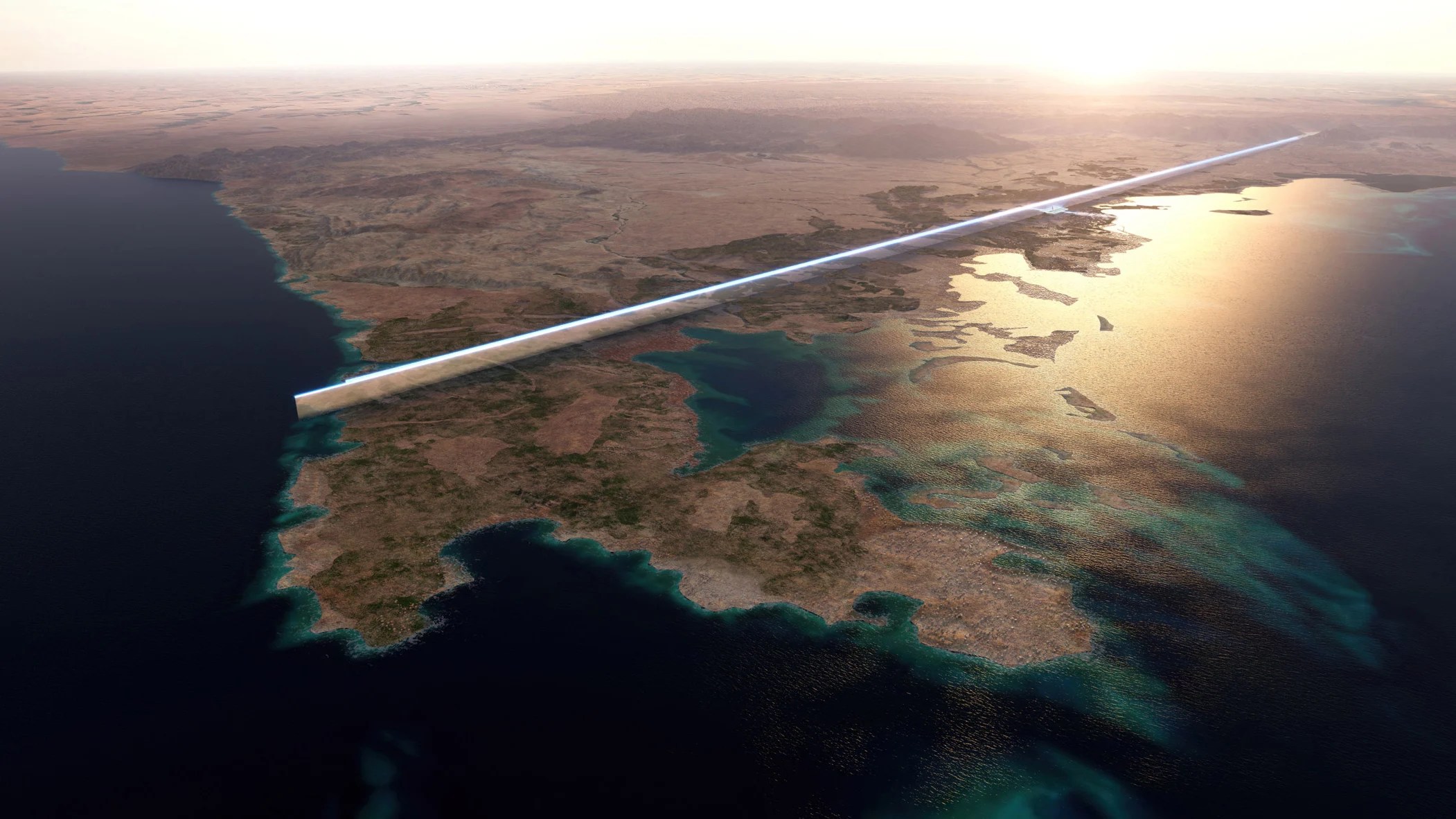

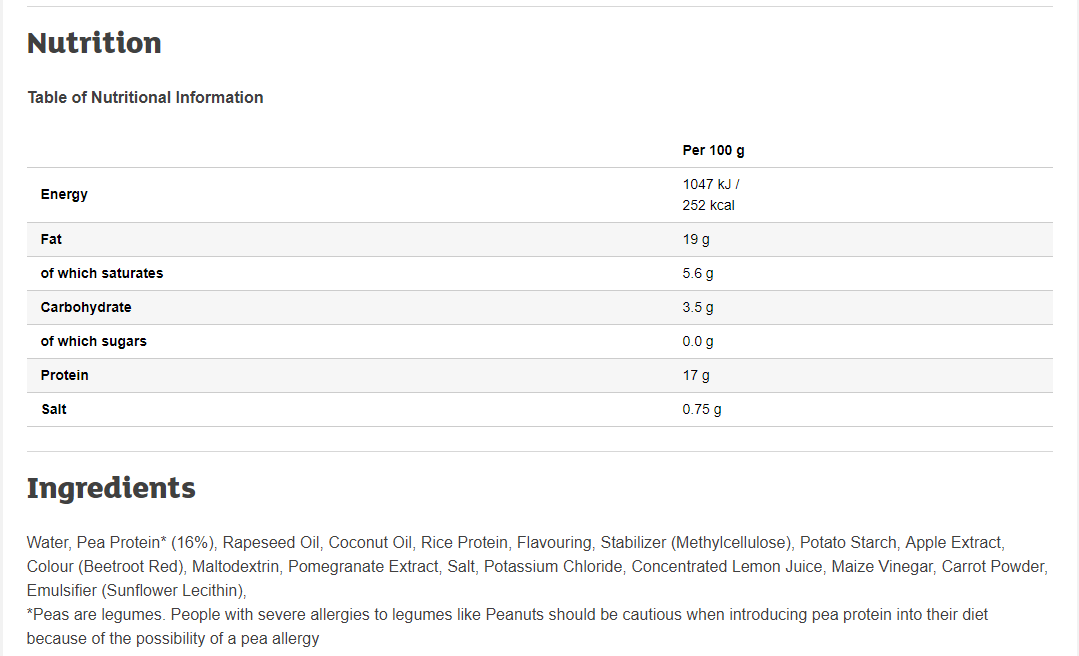





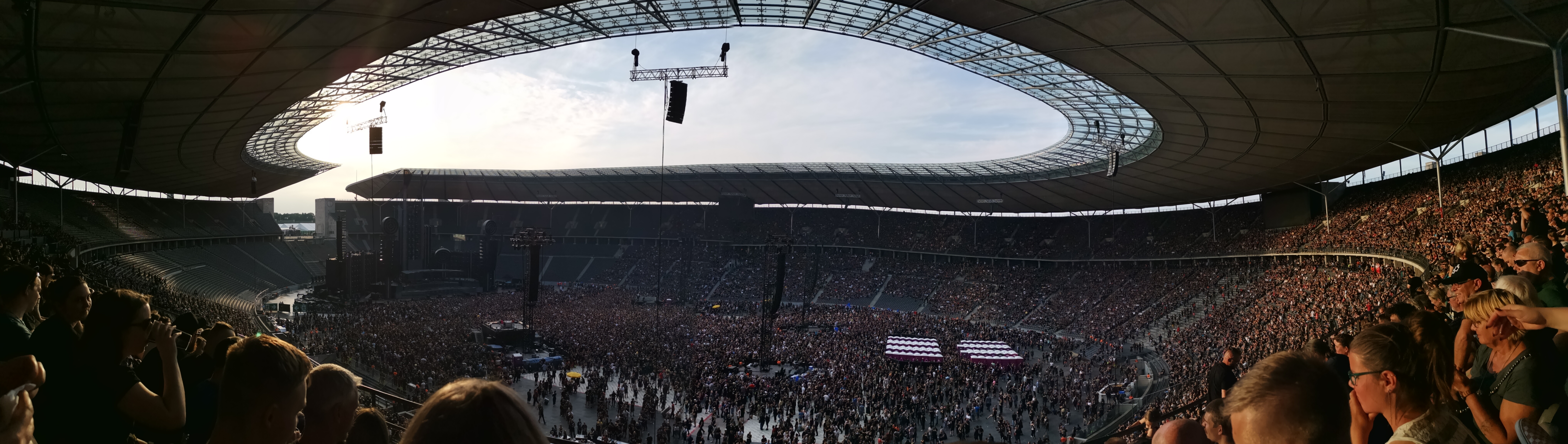

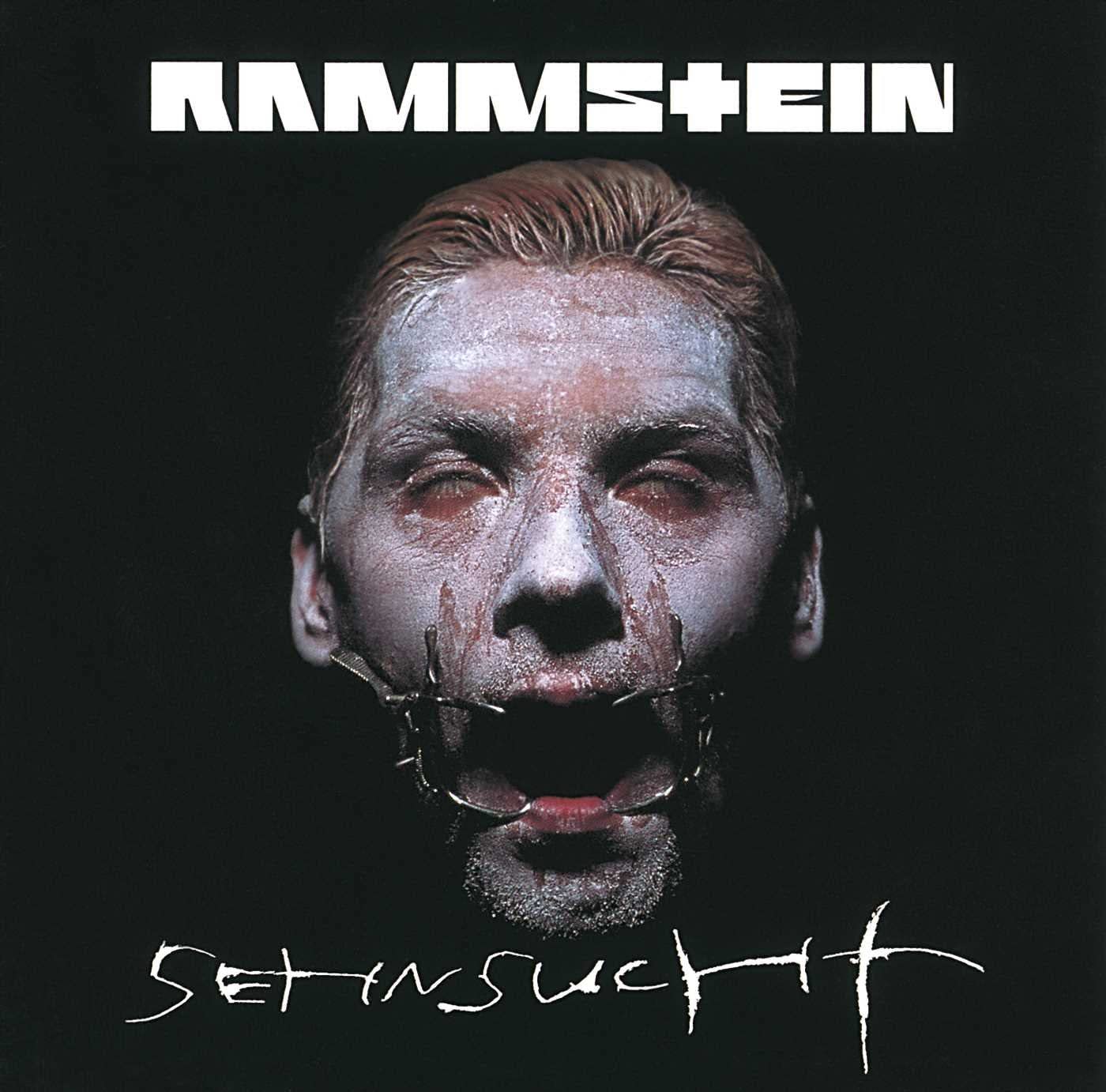


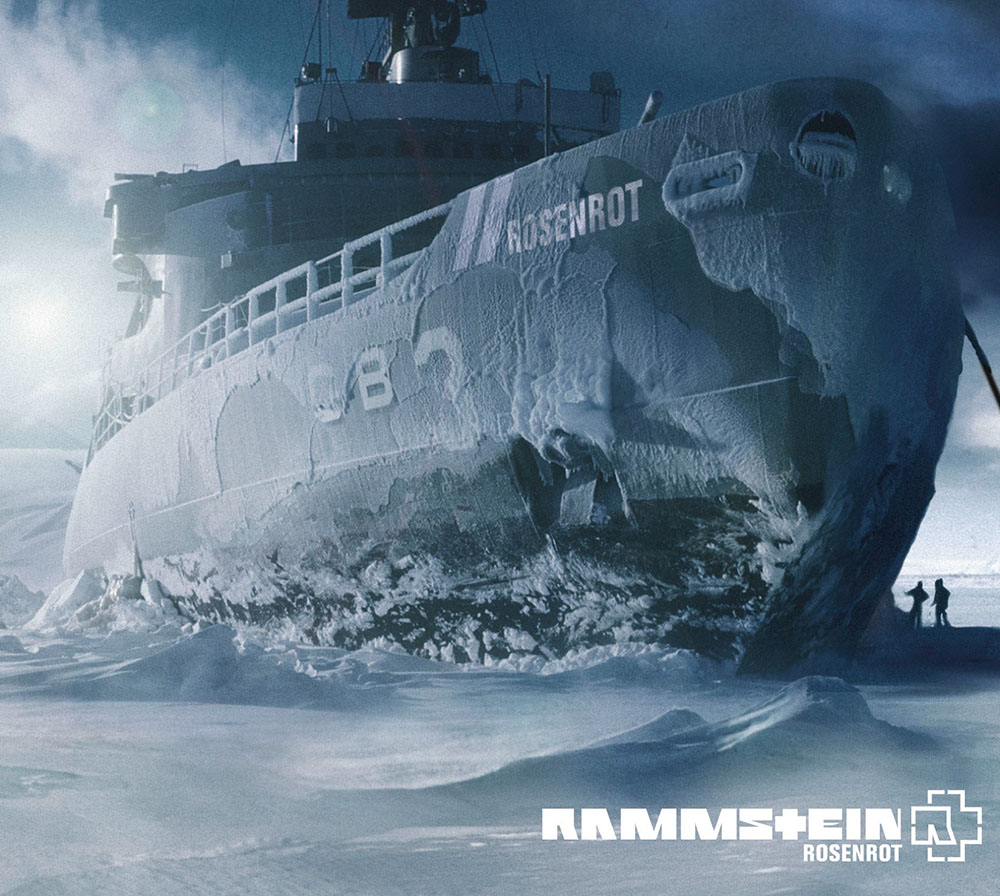
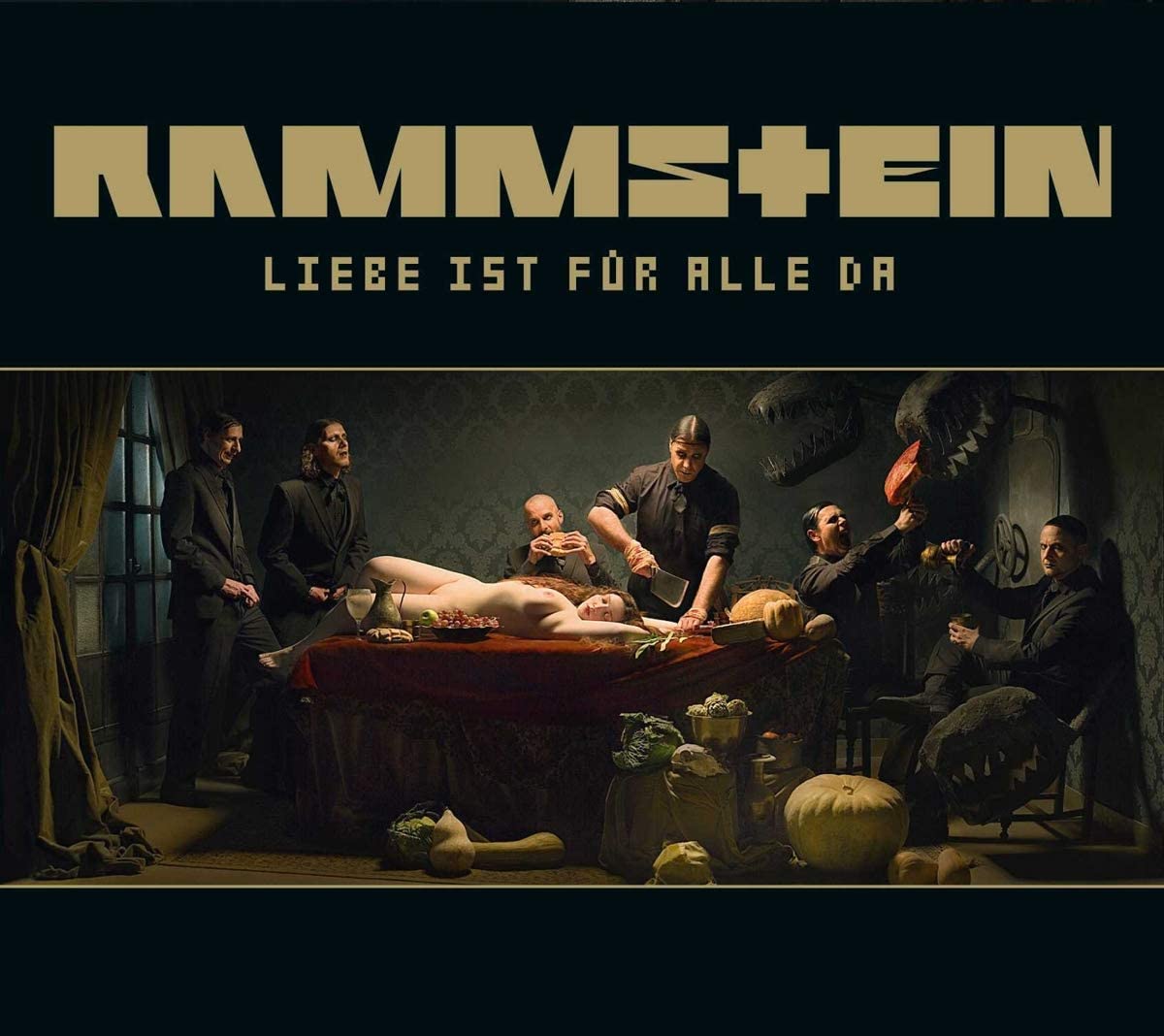


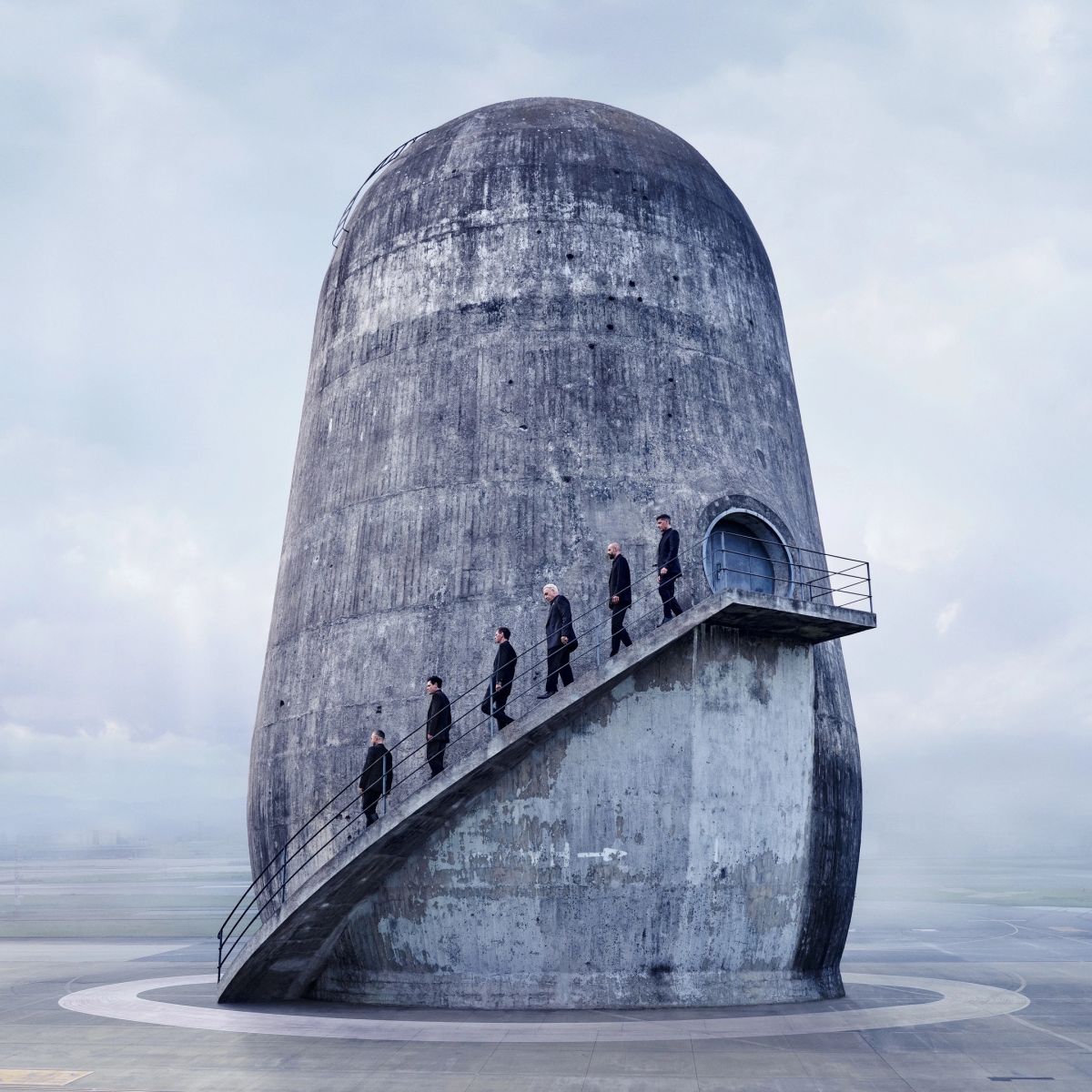






 Thoughtful Meanderings